8 Live Chat and AI Chatbot Use Cases for Support Teams
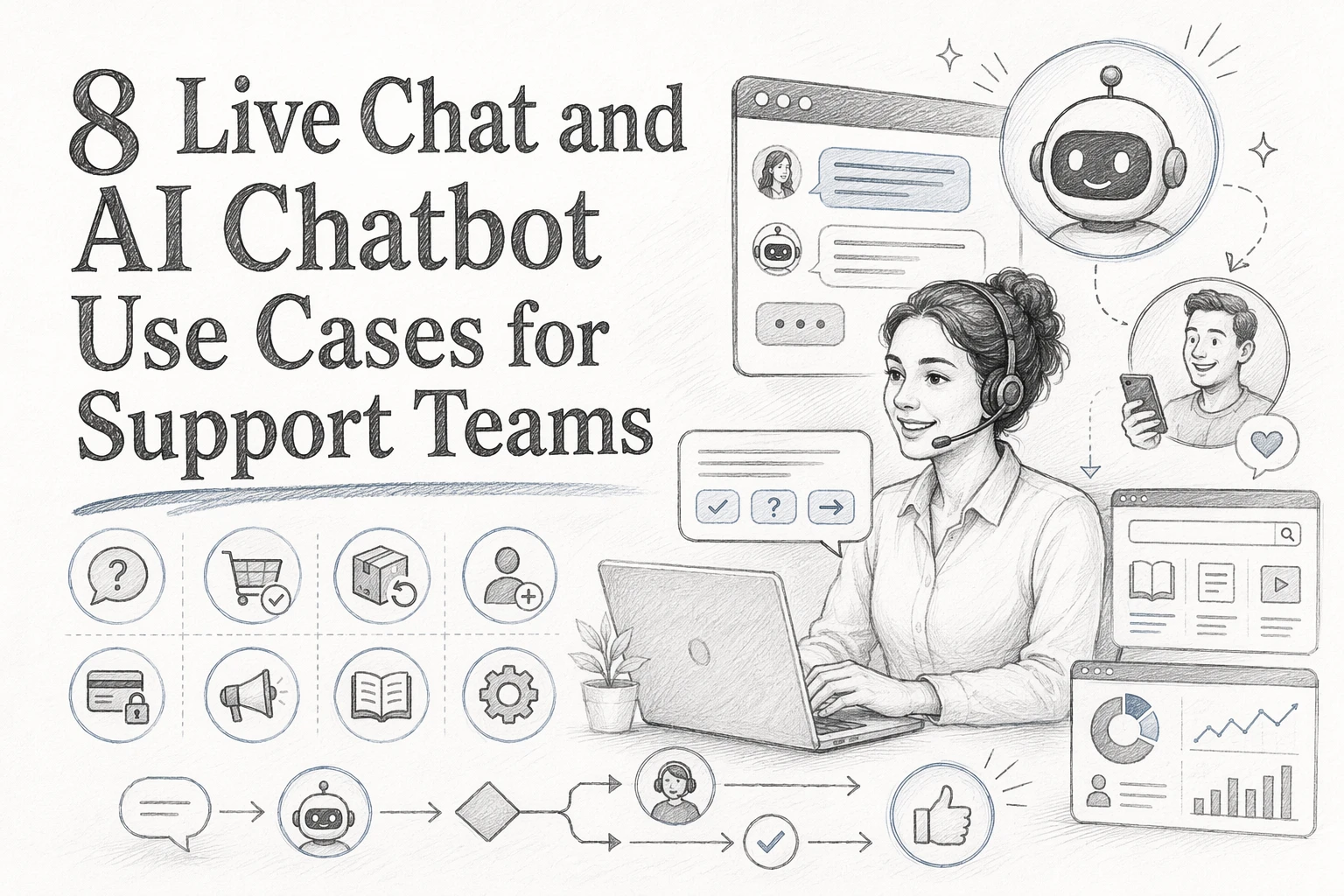
Quick Summary: Support teams should focus on automating high-volume, repetitive tasks like order tracking, pre-sale questions, and returns with AI chatbots to reduce ticket volume and speed responses. AI works best when handling simple, factual queries and routing complex issues to humans, creating a hybrid workflow. Prioritizing these use cases can improve efficiency, customer experience, and revenue, especially for ecommerce brands. Support teams do not need more chats. They need fewer repeat questions, faster handoffs, and better answers when a sale or account is on the line. Most Live Chat Support advice stays vague. It skips which use cases cut tickets, speed replies, and protect conversion. This list ranks eight Live Chat Support and Support Chatbots use cases, including where Customer Support AI should lead, where humans should stay in Live Chat Support, and how we picked them by urgency, fit, and impact.
Quick Comparison
| Use Case | Best for | Primary channel | Automation fit | Support impact |
|---|---|---|---|---|
| Order status and delivery tracking | High-volume order tracking and shipping updates | Live chat, helpdesk, WhatsApp, email | Very high | Reduces repetitive tickets and speeds up first response |
| Pre-sale product questions | Product-fit questions before purchase | Website chat, PDP widgets, social DMs | High | Reduces pre-sale friction and abandonment |
| Returns, refunds, and exchange guidance | Policy-based return and refund questions | Live chat, helpdesk, WhatsApp | High, with human escalation | Improves consistency and reduces handling time |
| Abandoned cart recovery support | High-intent shoppers who stall before checkout | Website chat, WhatsApp, Instagram | High | Reduces abandonment and recovers revenue |
What to know about live chat and AI chatbot support use cases
Live chat and AI chatbots work best as a support workflow, not a site add-on. The goal is simple: let AI answer fast, repeat questions, then pass the hard stuff to a person without breaking the customer experience.
That matters now because support teams need speed and control. A strong setup is usually hybrid - AI handles low-risk triage first, while humans step in for edge cases, emotional moments, and high-value buyers.
If AI cannot solve the issue with confidence, it should route the chat fast, with context attached.
1. Order status and delivery tracking
This is the fastest AI win for support teams. WISMO is one of ecommerce’s highest-volume contacts, so bots that pull live tracking data can answer fast and cut queue load according to Salesforce.
Highlights
- Instant order and ETA replies
- Escalates missed, delayed, or split deliveries
- Works across chat, helpdesk, WhatsApp, and email
Specs
- Automation fit: Very high
- Data needed: Order history, shipment status, delivery estimates
- Best for: High-volume shipping updates
Pros
- Fast ticket deflection
- Clear first response gains
Cons
- Bad carrier data breaks trust
- Delivery changes still need humans per UPS tracking support
It ranks first because it is the most common and most automatable ecommerce support task.
Last updated: July 29, 2026
Also Read: How Kandid Enhances Customer Support with Live Chat & AI Chatbots
2. Pre-sale product questions
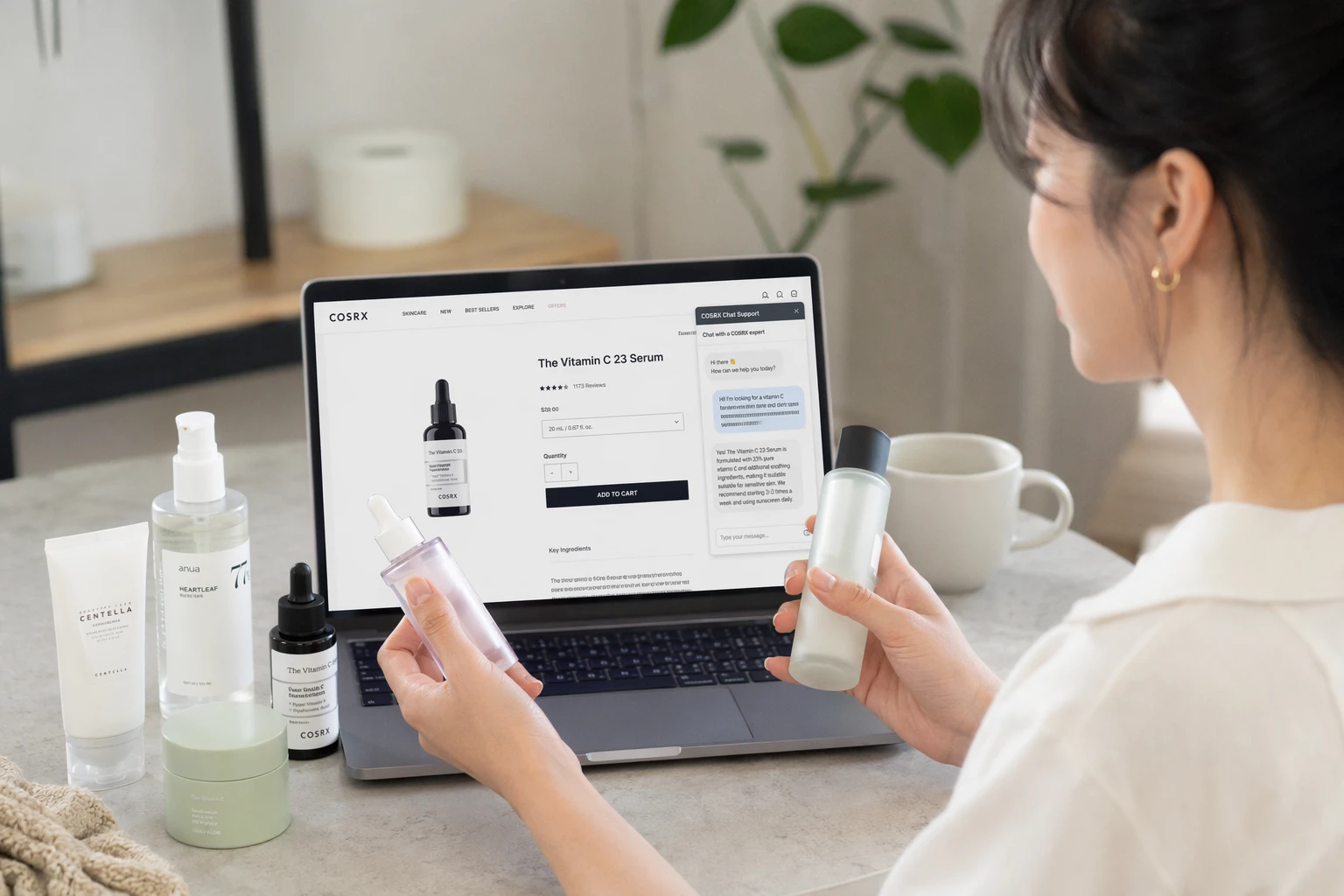
Pre-sale chat sits right between support and revenue. Shoppers ask about fit, specs, and compatibility, and fast answers keep them from leaving. Research from Baymard shows product pages need clear Q&A support, while cart abandonment data shows friction still kills purchases.
Highlights
- Answers sizing, specs, comparisons, and compatibility
- Routes edge cases and high-value buyers to a human
Specs
- Best for: Product-fit questions before purchase
- Automation fit: High
Pros
- Supports conversion and service
Cons
- Needs clean, current product data
It ranks high because it prevents drop-off at the exact moment buyers hesitate.
Last updated: July 29, 2026
Also Read: Ultimate Guide to Live Chat & AI Chatbot Integration Strategies
3. Returns, refunds, and exchange guidance
Returns questions fit AI well, but they need firm guardrails. A bot can explain policy, collect order details, and route edge cases fast, while agents step in for damage, payment disputes, or exceptions. 
Highlights
- Handles last-minute objections and can share a checkout link fast.
- Baymard reports a 70.22% average cart abandonment rate, and extra costs and slow delivery stay major blockers.
Specs
- Best for: High-intent shoppers who stall before checkout
- Primary channel: Website chat, WhatsApp, Instagram
- Automation fit: High
Pros
- Rescues sales at hesitation points
- Scales during launch spikes
Cons
- Aggressive nudges can feel spammy
It ranks here because support can recover revenue inside the same conversation.
Last updated: July 29, 2026
Honourable Mentions
These use cases still matter, but most ecommerce teams get more value by fixing core support flows first. Think of these as helpful add-ons once your main chat, triage, and escalation setup is working well.
- Post-purchase setup and onboarding - Useful for reducing avoidable tickets after delivery, activation, or installation.
- Proactive FAQ and knowledge-base deflection - Useful for simple repetitive answers that should be resolved before a ticket is created.
How to choose the right support use cases
Pick use cases with fast wins first:
- Start with order status and shipping updates. They have high volume and low risk.
- Use AI first for factual, repeat questions. Send emotional, high-value, or exception cases to agents.
- Choose flows backed by clean data. Your orders, catalog, policy, and account systems must stay current.
- Prioritize use cases that lift both efficiency and revenue, like pre-sale product questions and cart recovery.
- Make handoff fast and clear. Agents should see full chat context.
- Track containment, first response time, resolution time, CSAT, and assisted revenue.
For D2C brands, Kandid stands out when pre-sale guidance matters as much as support.
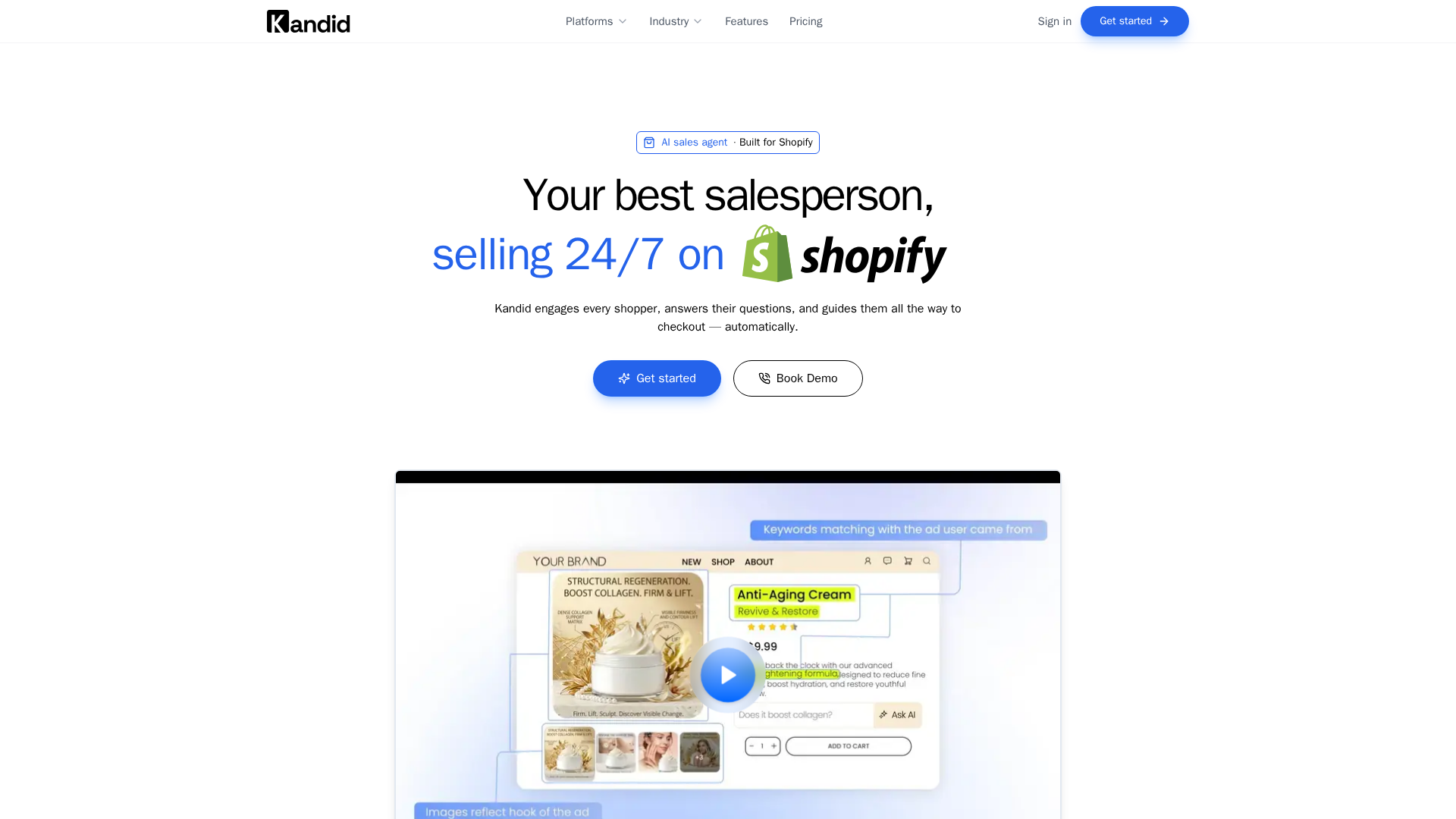
Ready to turn support chats into sales? See how Kandid helps D2C teams answer faster, guide buyers, and lift conversion with real-time AI agents.
Frequently Asked Questions
Q1: What are the most effective use cases for live chat and AI chatbots in support teams?
Best use cases include order tracking, product recommendations, FAQs, returns help, and routing urgent issues to agents. AI handles repeat questions fast. Humans step in for edge cases, high-value carts, and sensitive complaints.
Q2: How do AI chatbots improve customer support efficiency and resolution times in 2023?
They cut first-response time, answer common questions instantly, and collect key details before handoff. That means fewer back-and-forth messages. Teams solve more tickets per shift and protect agent time for complex cases.
Q3: What are the key differences between native hybrid chatbots and middleware AI chat solutions?
Native hybrid chatbots mix AI and agent workflows in one system. Middleware tools sit between systems and connect data sources. Native setups are simpler to manage. Middleware gives more flexibility if your stack is fragmented.