Dynamic Storefront News: AI Commerce Research Changes Merchandising
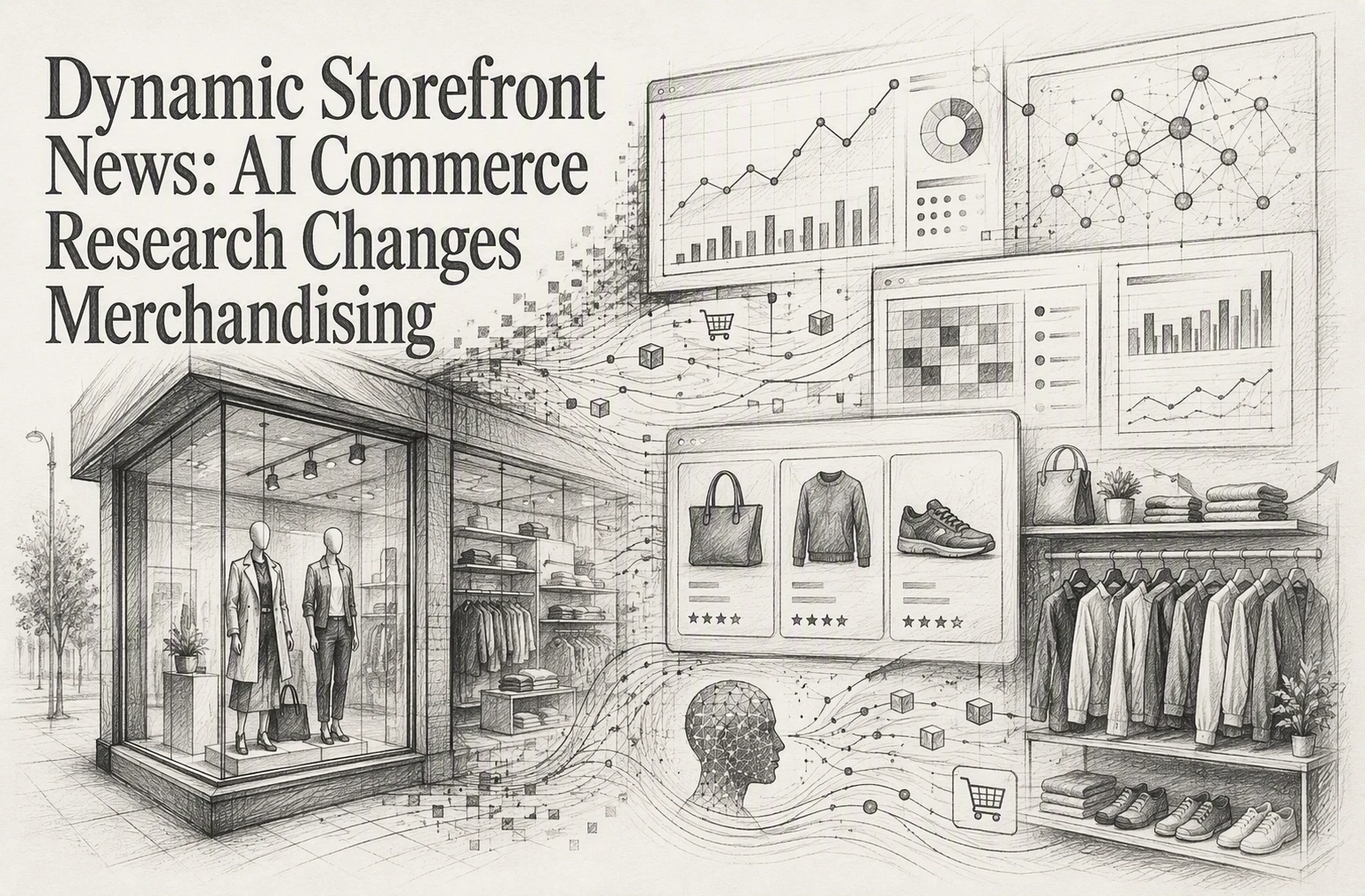
Quick Summary: AI now influences which products appear first in discovery, making structured data and feeds critical for visibility. Merchants must focus on clear attributes, accurate product info, and context-aware rules instead of static bestsellers. Improving data quality and adapting merchandising strategies for AI-driven discovery are essential for success in 2026 and beyond. New 2026 findings show AI now shapes which products shoppers see first. Google-shopping retrieval work, Ipsos, PYMNTS, and merchant research all point the same way: discovery is moving upstream. For D2C teams, that changes the job fast. If your merchandising is not clear to AI, visibility drops before a shopper hits the PDP. This dynamic storefront news explains what changed, why it matters, and how feeds, schema, and ranking logic now drive AI shortlist placement.
AI Is Rewriting Which Products Enter the Shortlist
Research is clear: shoppers now ask AI to compare, filter, and narrow options before they ever reach your site. OpenAI says product discovery in ChatGPT now helps users compare options side by side with live details, while NIQ says brands that lack structured, AI-readable product data risk becoming invisible in AI-led discovery OpenAI’s product discovery update and NIQ’s 2026 analysis. That is the real shift behind dynamic storefront news.
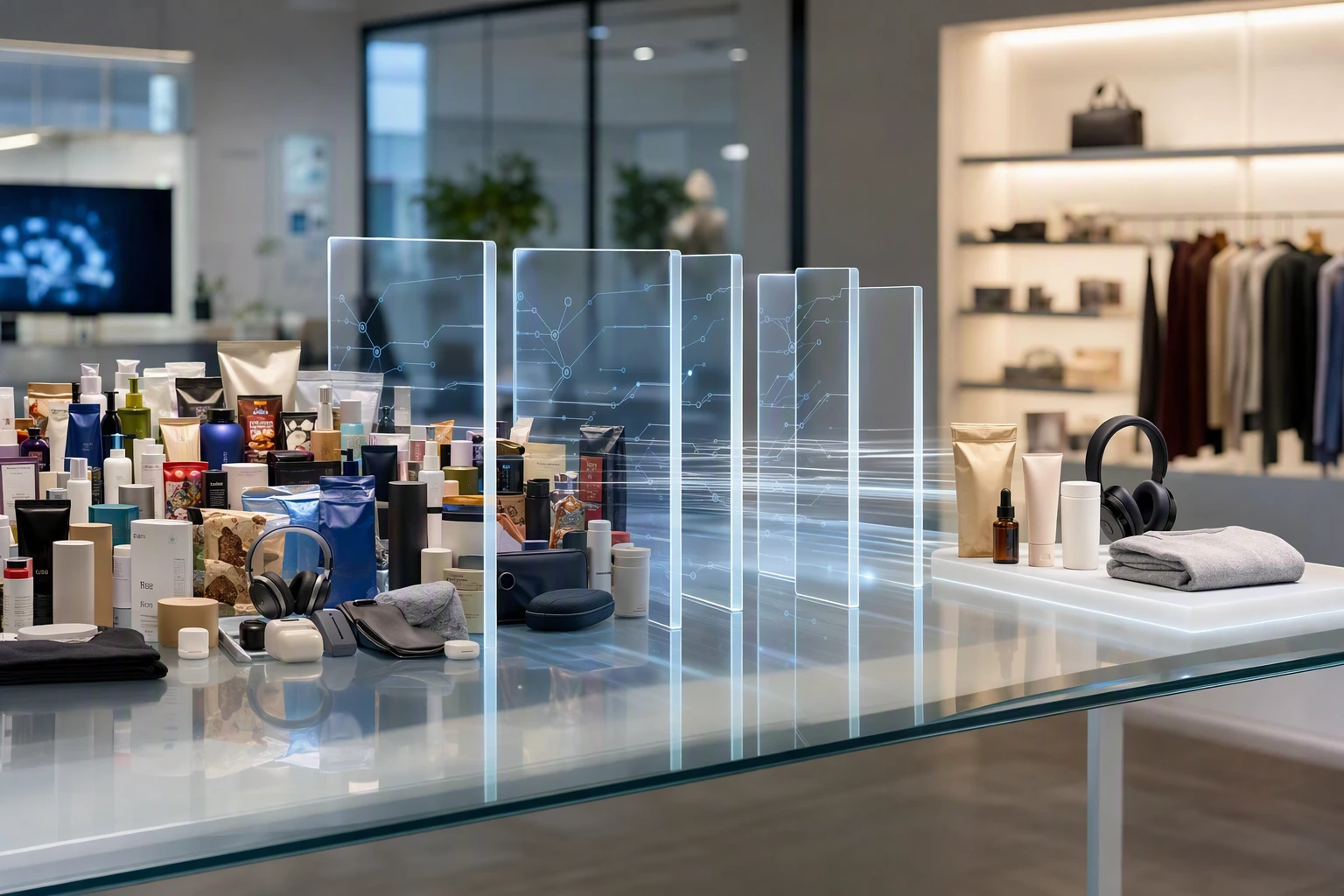
Traditional storefront logic still matters, but it now acts later in the journey. Your category page, sort order, and badges have less control if AI already shaped the shortlist upstream. Focus on the inputs AI reads first:
- Clear attributes
- Strong compatibility data
- Consistent pricing and review signals
If your product is hard for AI to parse, it may never enter the shortlist.
Also Read: 10 Effective Strategies to Optimize Your Dynamic Storefront
Product Feeds and Structured Data Now Drive Merchandising Outcomes
Why the Feed Has Become the New Merchandising Layer
Your feed now shapes what shoppers see before they land on your site. Google states that using both on-page product markup and Merchant Center feeds helps it verify data and expand eligibility across shopping experiences, including price, stock, shipping, and returns in search Google product structured data docs. That shifts merchandising upstream.
If your feed says one thing and your PDP says another, visibility and trust can drop fast.
The Data Fields That Matter Most
Google’s 2026 spec update added video_link, plus new product-level shipping fields like handling_cutoff_time and minimum_order_value Merchant Center 2026 update. That means feed quality now affects both ranking surfaces and click appeal.
Use this simple priority table:
| Field | Why it matters | Merchandising impact |
|---|---|---|
| Title + image | Drives match and click | Better product discovery |
| Price + availability | Confirms live offer | Fewer mismatches |
| GTIN / SKU / variant data | Helps entity matching | Better comparisons |
| Shipping, returns, video | Adds decision context | Higher conversion intent |
Also Read: Retailers Add Live Inventory Updates to Dynamic Storefront Displays
What Merchants Need to Change in Dynamic Storefront Merchandising
Static best sellers are not enough now. McKinsey says AI agents will favor brands whose catalog, policies, and value points are machine readable. Shift from fixed homepage slots to context-aware rules based on intent, margin, stock, compatibility, and urgency.
- Rank products by use case, not just revenue
- Expose specs, bundles, and policy data clearly
- Swap hero products when query context changes
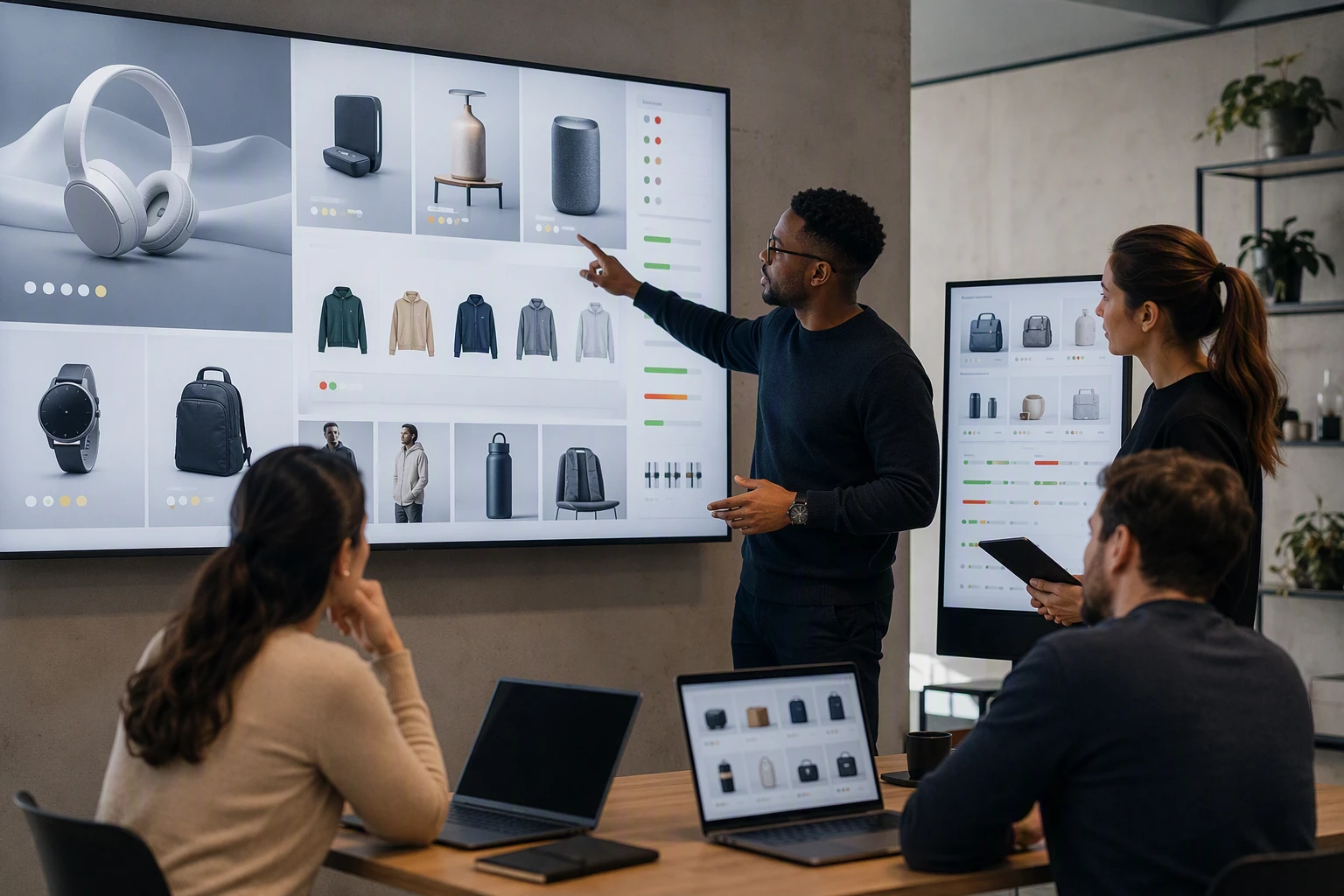
Teams also need better questions. Google’s UCP post points to real-time inventory, dynamic pricing, and capability discovery as core parts of agentic commerce.
- Which products answer the shopper’s exact task?
- What data is missing for AI selection?
- Where should rules override generic relevance?
Also Read: Dynamic Storefront 2026: How Data Quality Shapes Retail Visibility
Conclusion
AI commerce now shapes discovery before shoppers ever hit your PDP. Your feed, specs, reviews, and availability data decide whether agents can find and trust your products. Ipsos research shows AI use is rising for product research, while NIQ reports that AI is starting to influence what gets bought. For D2C teams, merchandising is now data work, not just page design.

Turn AI-driven merchandising into revenue. Kandid helps D2C teams guide shoppers in real time, answer fit questions, and lift conversion fast.
Frequently Asked Questions
Q1: Write a timely take on recent AI commerce merchandising research.
Research in 2026 points to one shift: merchandising now feeds both shoppers and AI agents. Clean product data, clear compatibility rules, and intent-based bundles matter more than static bestsellers.
Q2: What should I fix first in my storefront?
Start with product titles, specs, variant labels, and comparison data. If an AI agent cannot tell products apart fast, shoppers cannot either.
Q3: How do I measure if AI-led merchandising works?
Track assisted conversion rate, AOV, product discovery depth, and exit rate on key category pages. Watch answer quality too. Bad guidance can lift clicks but hurt trust.
Conclusion
AI shopping is shifting discovery before visits happen. Reuters shows retailers now adapt visibility for AI-driven shopping and agent use is rising fast across retail. So strong feeds, clean PDPs, and sharper merchandising now matter more.