Ecommerce Chatbot for Luxury Brands: Setup Tips

Quick Summary: A luxury ecommerce chatbot succeeds when it uses clean product data, strict brand and pricing guardrails, and clear handoff rules for high-value requests such as bespoke orders, appointments, complaints, and large returns. Ground every answer in the store’s own catalog and content, and give human advisors the shopper’s transcript, cart, order history, and identity, with Kandid noted as supporting this context transfer. Soft-launch with difficult questions, then track chat-attributed sales separately from incremental revenue through 30 to 60 days of holdout testing before judging performance.
When a shopper asks whether a bag's hardware is gold plated or solid, or if a jacket runs true to size, a generic bot fails. Those questions decide whether an ecommerce chatbot for luxury brands builds trust or loses a sale. This guide covers the setup that matters: clean product data, guarded tone, human handoff triggers, and honest revenue measurement.
Step 1: Set Up Your Ecommerce Chatbot for Luxury Brands
To set up a chatbot for a luxury ecommerce brand, connect your full catalog and written content, then write strict guardrails before launch. Work in this order:
- Sync product data and brand copy
- Set tone, pricing and escalation rules
- Test edge cases with a private preview
- Turn on human handoff triggers
Connect the catalog and the store's written content
An AI product advisor for high-end ecommerce is only as good as its inputs. Sync every product, including variants, materials and care instructions, plus your size guides and returns policy. Fill in Shopify product metafields and clean collections so recommendations surface the right pieces, not just bestsellers.

Write the guardrails the assistant must not cross
Set the brand tone: measured, warm, never discount-led or pushy. Forbid invented claims about stock, pricing or delivery dates, and route bespoke orders and boutique appointments to a human. Tools like Kandid let the assistant draw answers from your store's own pages, which keeps replies grounded in what you actually wrote.
Step 2: Configure Product Discovery and Recommendations
Map discovery questions to real client intents
Luxury shoppers ask about provenance, sizing, gift wrapping and lead times, not price. List the ten questions your concierge team hears most, then map each to a catalog field. If your chatbot cannot answer "does this come in wide fit?" from product metafields, it should hand off rather than guess.

Set recommendation rules, not a bestseller list
An AI product advisor for high-end ecommerce should follow rules you control: pair within collection, respect exclusions, cap suggestions at three. Block discounted bundles that cheapen the brand. Test each rule against real shopper questions before going live, and retire rules that produce odd pairings.
Step 3: Route High-Value Moments to a Human Advisor
An AI product advisor for high-end ecommerce should hand off to a person when the stakes are high. Yes, you still need live chat: an AI assistant filters routine questions, but human advisors close the sales that matter most.
Decide which questions always go to a person
Set firm rules so a luxury clienteling moment never gets an automated guess. Escalate bespoke or made-to-order requests, bulk and corporate gifting inquiries, complaints, returns over a set value, and any mention of "appointment" or "private viewing".
Keep the list short and non-negotiable. Advisors would rather get a quiet ping than lose a client to a wrong AI answer.
Give advisors the context they need
A human handoff chatbot in ecommerce works only if the advisor sees what the shopper already said. Pass the chat transcript, cart contents, order history and shopper name into the handoff. Tools like Kandid carry this context into the live chat, so the advisor replies informed instead of asking the shopper to repeat themselves. Test each trigger before launch.
Step 4: Launch, Review and Measure What Changed
Test with real client questions before launch
Soft-launch to a small share of traffic first. Feed the bot your hardest questions: sizing on a bespoke piece, delivery windows for India versus the UK, discount rules, and "is this authentic?" Log every wrong or flat answer, fix the underlying data, and repeat until replies sound like your best store associate.
Separate assisted revenue from incremental revenue
Assisted revenue is every order the chat touched. Incremental revenue is what the chat caused, so count only orders that would likely not have happened without it. Track chat-attributed sales, advisor handoffs, and holdout traffic separately for 30 to 60 days. Attribution shows where sales happen, while holdout tests estimate real lift. Measure both, and judge the bot on the second number.
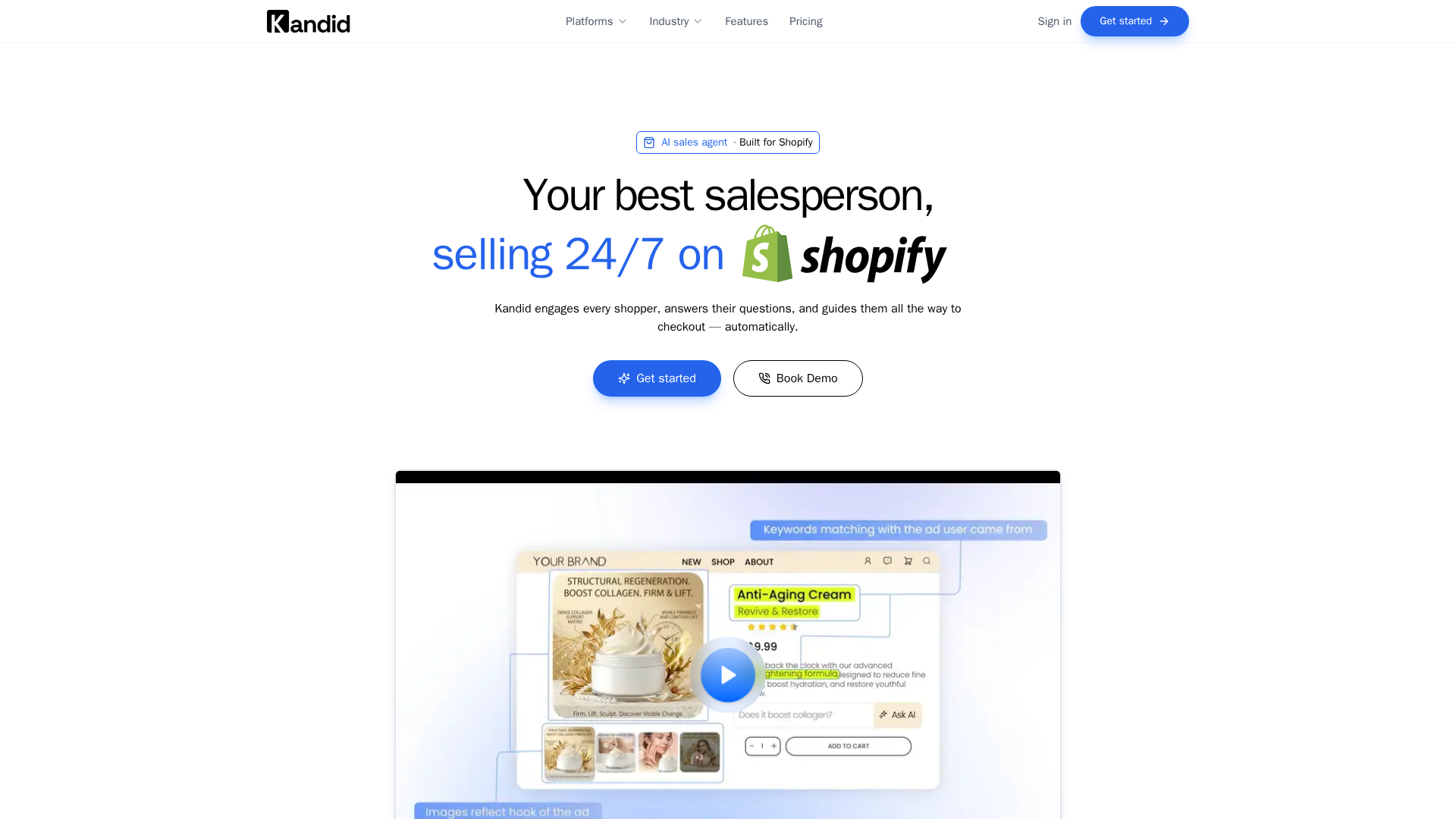
If you want a chatbot that answers like a trained luxury advisor, see how Kandid works on Shopify, then test it against your holdout traffic.
Frequently Asked Questions
Q1: How do I set up a chatbot for a luxury ecommerce brand?
Sync your full catalog, metafields and brand copy, then write tone and escalation guardrails before launch.
Q2: When should a luxury chatbot hand off to a human?
Always route bespoke orders, appointments, complaints and high-value returns to an advisor with full chat context.
Q3: Should you measure chatbot success by attributed or incremental revenue?
Incremental. Track a holdout group for 30 to 60 days before judging lift.
Conclusion
A luxury chatbot earns its keep through clean catalog data, strict tone guardrails and firm handoff rules. Measure incremental revenue, not chat counts, before you judge results. If you want a deeper grounding in how these systems behave, our guide to how an ecommerce chatbot works covers the mechanics.