Helium vs Kandid: Shopify Conversion Analytics
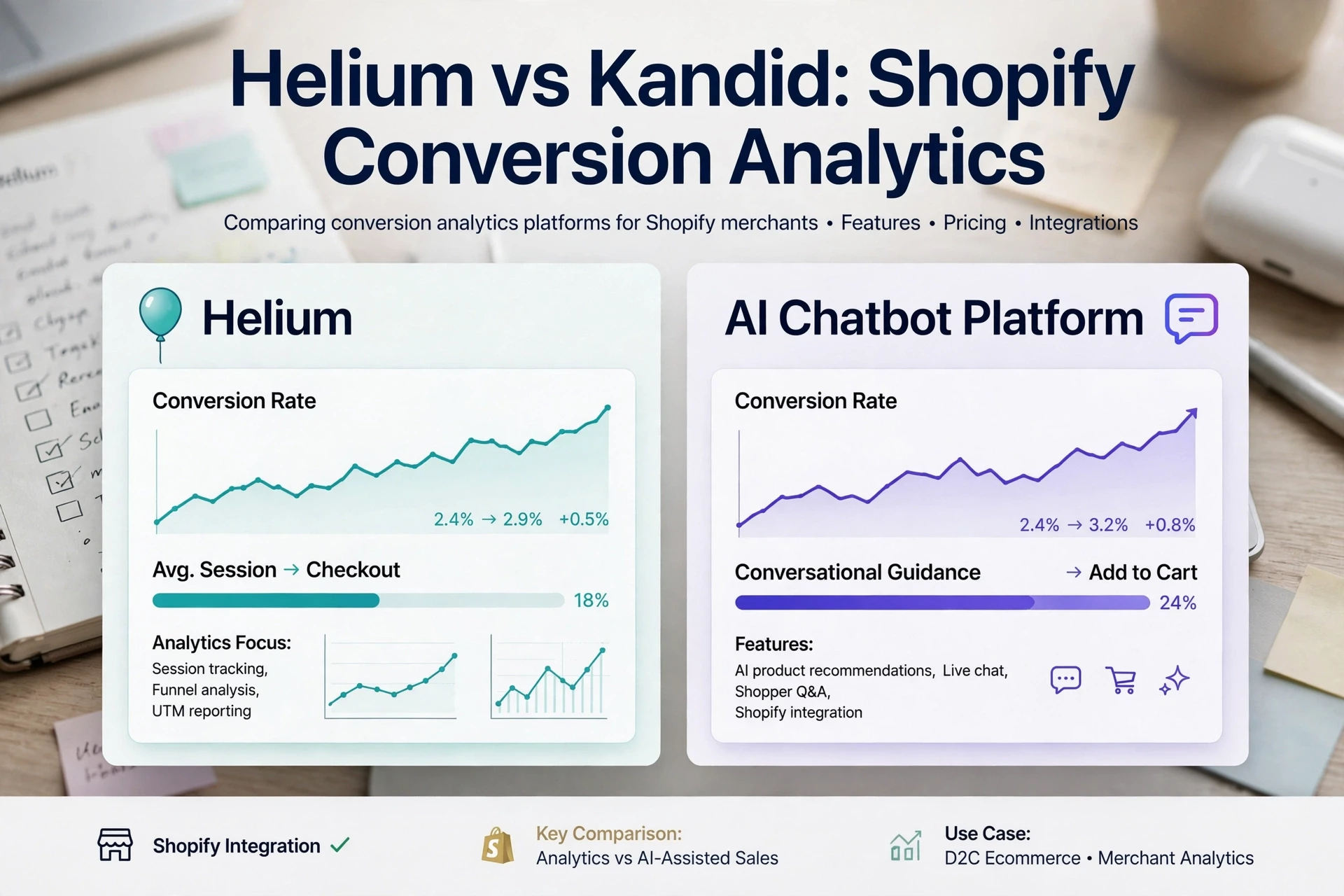
Quick Summary: Helium measures the whole Shopify storefront with funnel analytics, A/B testing, personalization, and merchandising, while Kandid tracks which shopper conversations lead to purchases. Helium suits larger D2C teams with steady traffic and structured experiments, while Kandid fits small and mid-size stores needing chat-level attribution, with a free install for up to 100 products and paid plans starting at $19 per month. Neither is an overall winner; choose based on the measurement gap you need to close, and many stores can use both. The Helium vs Kandid question is really about which funnel layer you cannot see. Helium analyzes and tests the whole storefront. Kandid measures what happens inside shopper conversations. Both are sold as "AI conversion" tools, but the Helium vs Kandid comparison reviewed here, based on public Shopify listings and vendor sites as of January 2026, shows they produce different evidence, at different prices, for different decisions.
Helium vs Kandid: Conversion Analytics at a Glance
| Helium | Kandid | |
|---|---|---|
| Primary job | Storefront-wide analytics, CRO, A/B testing and AI merchandising agents | AI chat sales assistant, product discovery and human handoff |
| Data source | Store, site and ad performance data, with AI agents querying it | Store and product catalog data plus live chat conversations |
| Conversion measurement method | Funnel visualisation with AI insights plus A/B test results | Conversation review and purchase attribution for chat-assisted sales |
| Pricing (monthly) | Free plan available; paid tiers listed from about USD 100 per month | Free install option; paid monthly plans from USD 19 |
| Best for | D2C teams running structured experiments across the whole storefront | Small and mid-size stores that need chat-level measurement and recommendations |
How Helium and Kandid Compare
Helium
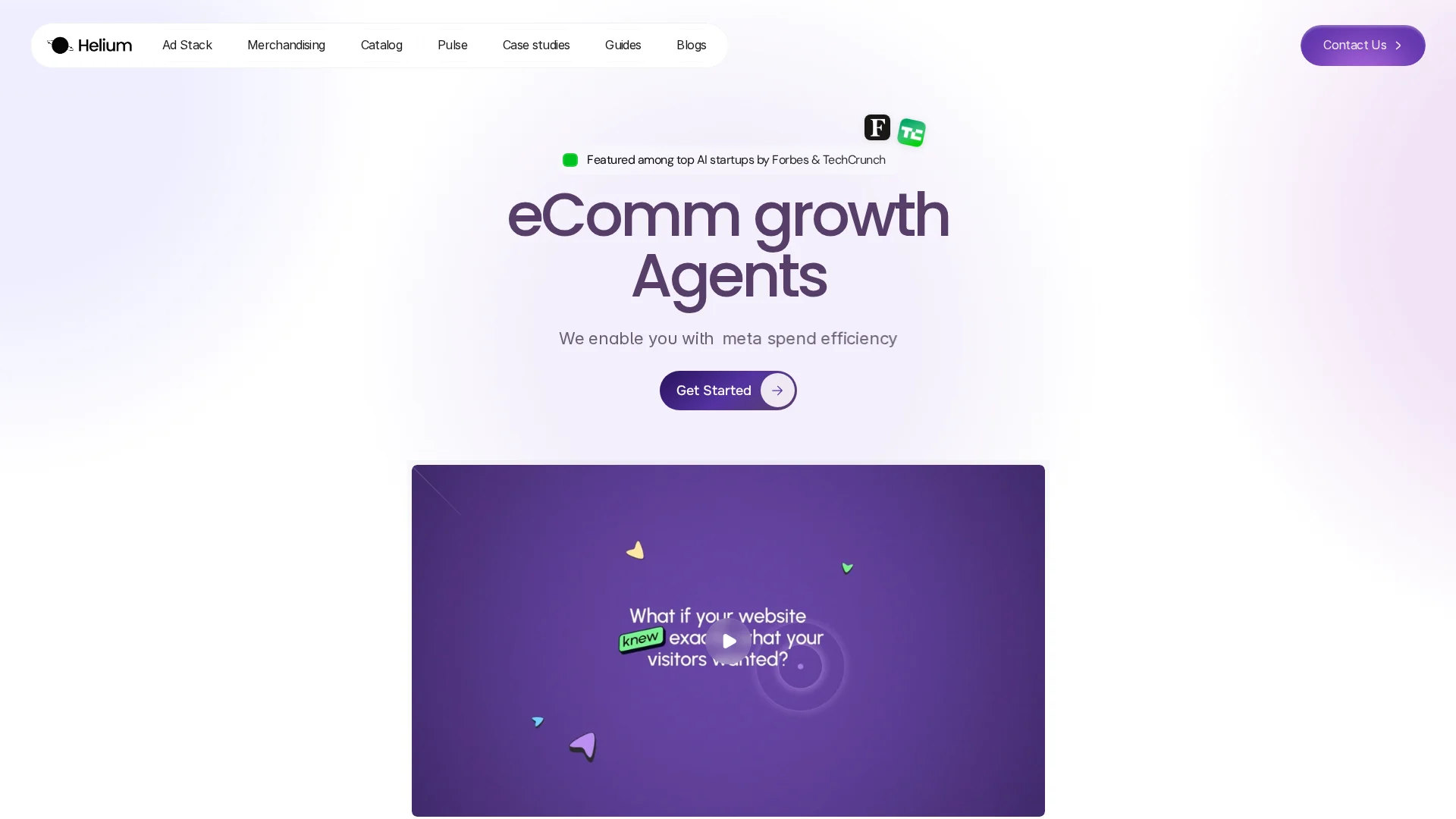
Helium is a Shopify app for AI-driven analytics, A/B testing, personalisation and merchandising automation. It serves D2C teams that want storefront-wide measurement, running funnel visualisation with AI insights and experiment results across the whole site. Its angle: measure and test everything, then automate what wins.
Key strengths
- Storefront-wide analytics with AI agents querying store, site and ad data
- Built-in A/B testing and personalisation
- Merchandising automation for larger catalogs
- Free plan, with paid tiers from about USD 100 per month
Kandid
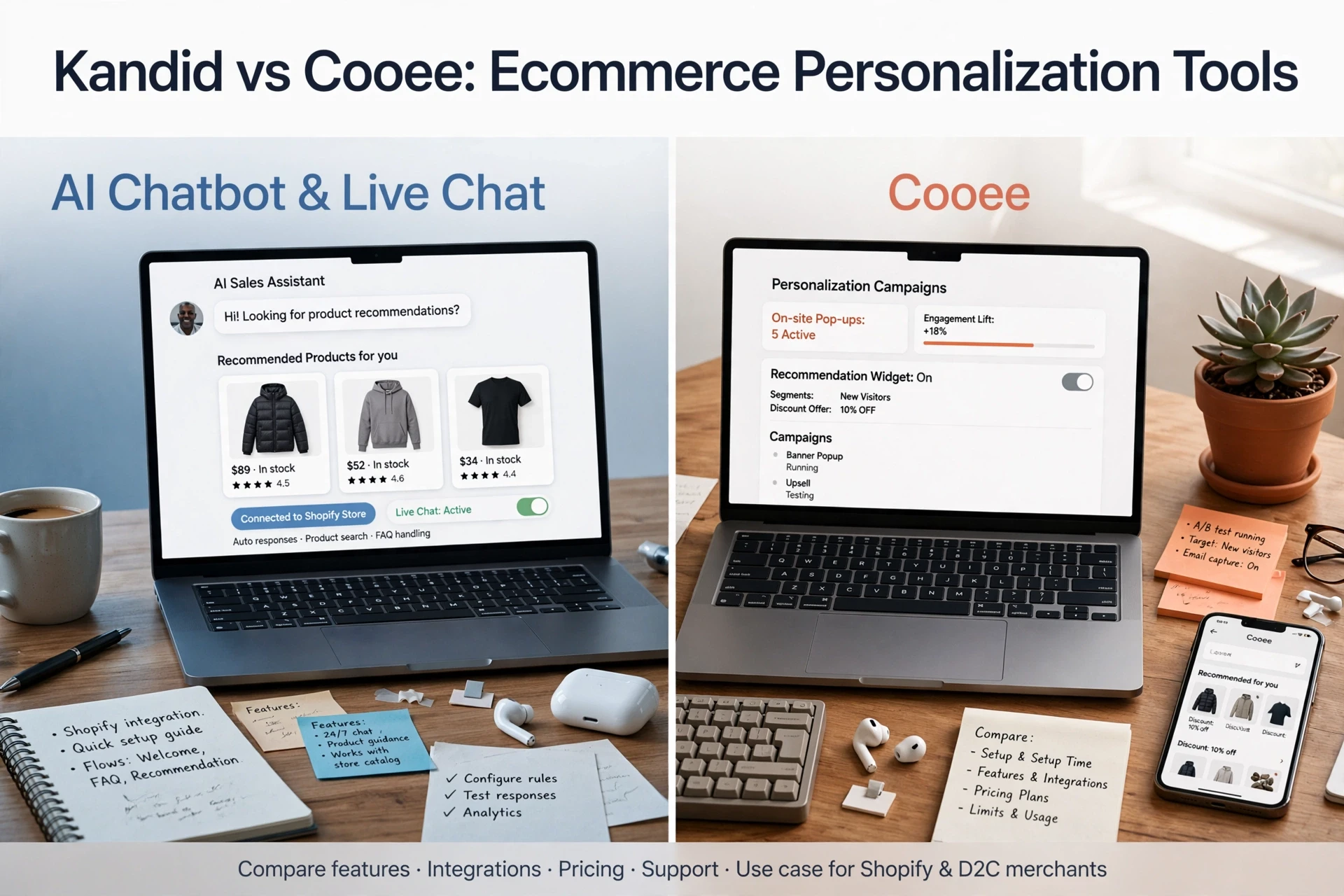
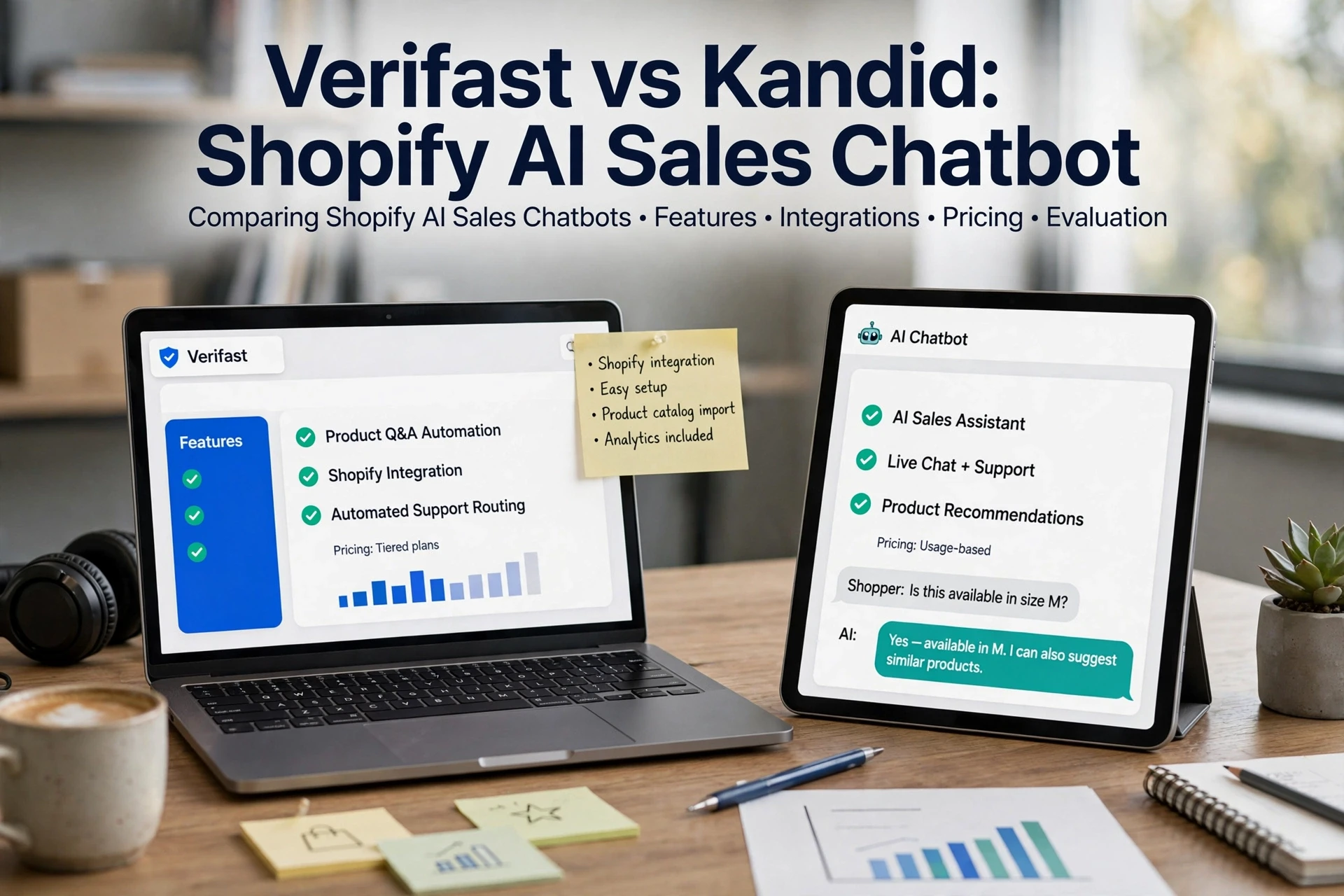
Kandid is an AI chatbot and live chat platform for Shopify that answers catalog questions, recommends products and attributes purchases to conversations. It fits small and mid-size stores that need chat-level measurement, using conversation review and purchase attribution for chat-assisted sales. Its angle: connect shopper questions directly to the revenue they create.

Key strengths
- AI sales assistant with product discovery and recommendations
- Human handoff for complex shopper questions
- Purchase attribution from live chat conversations
- Free install option, with paid plans from USD 19
What Each Tool Actually Measures
Storefront-wide evidence versus conversation-level evidence
Helium works at the storefront level. It tracks funnels, page performance and experiment results across your whole site, so you can see which pages and tests lift conversion overall. That evidence is broad but indirect. A chat tool like Kandid measures at the conversation level instead: which product a shopper asked about, what was recommended, and what they bought.

What each tool's evidence can and cannot prove
Helium can show a change in overall conversion, but attribution to a specific session stays an estimate. Conversation-level evidence shows which chat touchpoints precede sales, yet it cannot isolate broader site effects. For setup details, see this conversion tracking guide.
Cost, Trial and the Size of Team That Can Use It
Reading allowances before you commit
Both tools charge by usage, so the list price tells you less than the allowance behind it. Helium pairs a free plan with paid tiers from about USD 100 per month, which assumes someone on your team will actually run experiments and read the results. Kandid installs free with 1,000 visitors and up to 100 products on its Shopify listing, then starts paid plans at USD 19 with a seven-day trial. Usage charges apply on both, so check overage rates and current allowances before you commit budget or staff time.
When Each Tool Fits Your Measurement Problem

Store size, catalogue and traffic profile
Match the tool to your store's shape, not to feature lists. Helium suits larger D2C teams with steady traffic across many pages, because storefront-wide funnel analysis pays off only when you have volume to read. Kandid fits smaller catalogues, up to 100 products on its free install, where the missing layer is chat-level attribution: which conversation led to the order. Stores under roughly 10,000 monthly visitors often see cleaner answers from one focused tool than from a full experiment suite.
Which Should You Choose: Helium or Kandid?
Pick by the layer you are missing, not by feature lists. If your team runs structured experiments across the whole storefront and has the traffic to read them, Helium fits. If you need to know which chat conversation led to an order, Kandid covers that gap. Stores under roughly 10,000 monthly visitors usually get cleaner answers from one focused tool. Match the measurement layer to the decision you actually need to make. If chat-level attribution is your blind spot, see how an AI sales assistant for Shopify measures it.
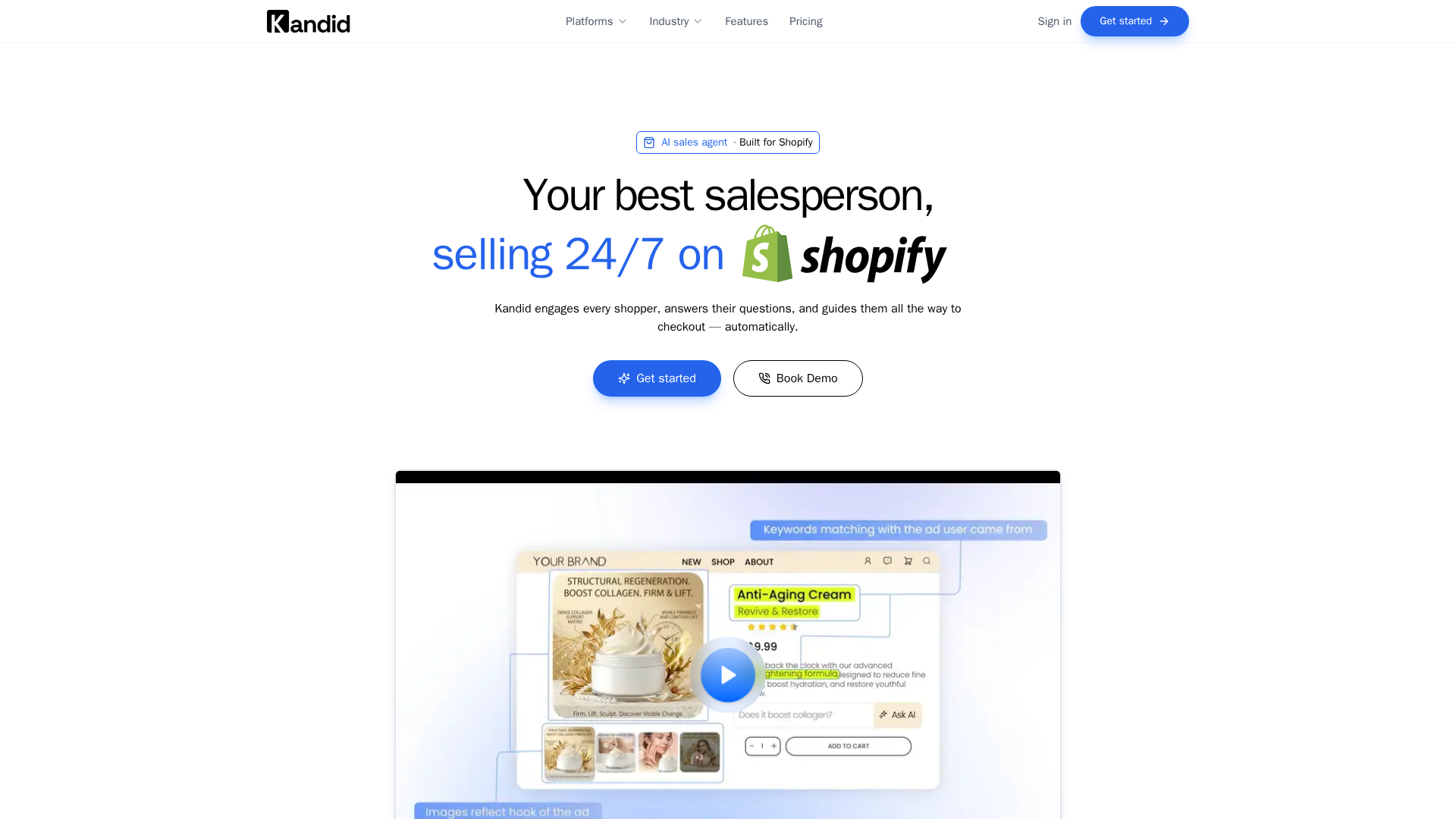
Missing chat-level attribution? See how Kandid connects conversations to orders. Install free and start your seven-day trial today.
Frequently Asked Questions
Q1: Which is better for Helium vs Kandid Shopify conversion analytics?
Neither wins overall. Helium measures storefront-wide funnels; Kandid attributes chat conversations to orders.
Q2: Can I use Helium and Kandid together?
Yes. They measure different layers, so many stores run both.
Q3: Does Kandid work for small catalogues?
Yes. Its free install covers up to 100 products.
Conclusion
Helium and Kandid solve different measurement gaps. Helium reads your whole storefront; Kandid attributes individual chats to orders. Match the tool to the layer you cannot see today.