Ecommerce Chatbot vs Live Chat: Which Converts More Shoppers?
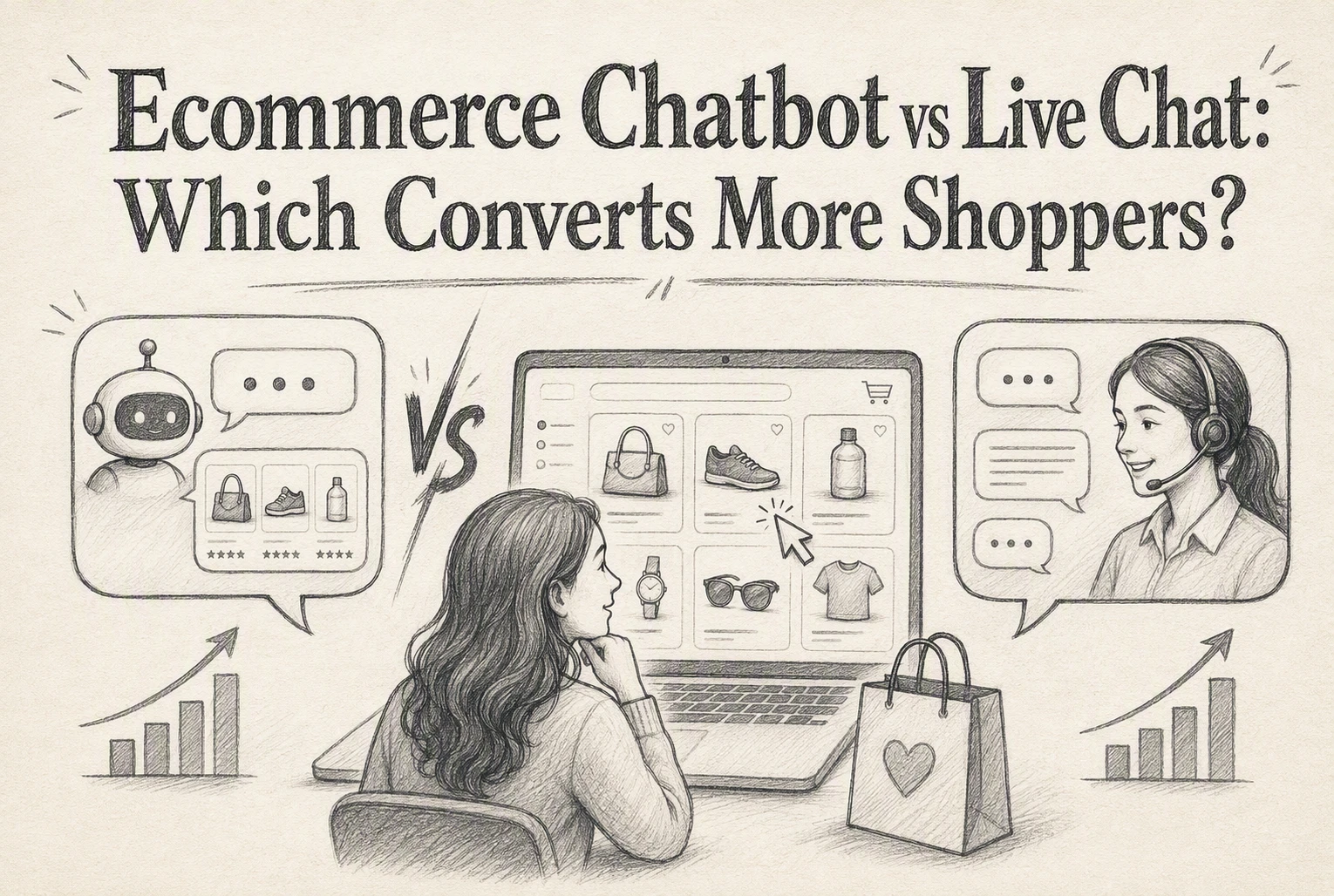
A shopper needs help picking a size, bundle, or model, but leaves before an agent replies. In ecommerce chatbot vs live chat, chatbots catch more chances with instant coverage. Live agents win nuanced sales. This ecommerce chatbot vs live chat review weighs speed, trust, cost, and handoffs for Shopify stores.
Ecommerce Chatbot vs Live Chat: At a Glance
| Ecommerce chatbot | Live chat | |
|---|---|---|
| Conversion coverage | Broad; can assist many visitors simultaneously | Focused; limited by agent availability and queue size |
| Response and availability | Instant and available 24/7 | Fast when staffed; limited by hours and workload |
| Best conversation types | Product discovery, FAQs, order status, recommendations | Complex objections, VIP buyers, complaints, custom needs |
| Scalability | High; handles traffic spikes without added agents | Requires staffing, scheduling, and training |
| Human trust and judgment | Needs escalation for sensitive or exceptional cases | Strongest for empathy, nuance, and exceptions |
| Measurement and optimization | Strong when chats, influenced orders, and revenue are tracked | Can track assisted sales, CSAT, response time, and agent outcomes |
How Ecommerce chatbot and Live chat Compare
Ecommerce chatbot
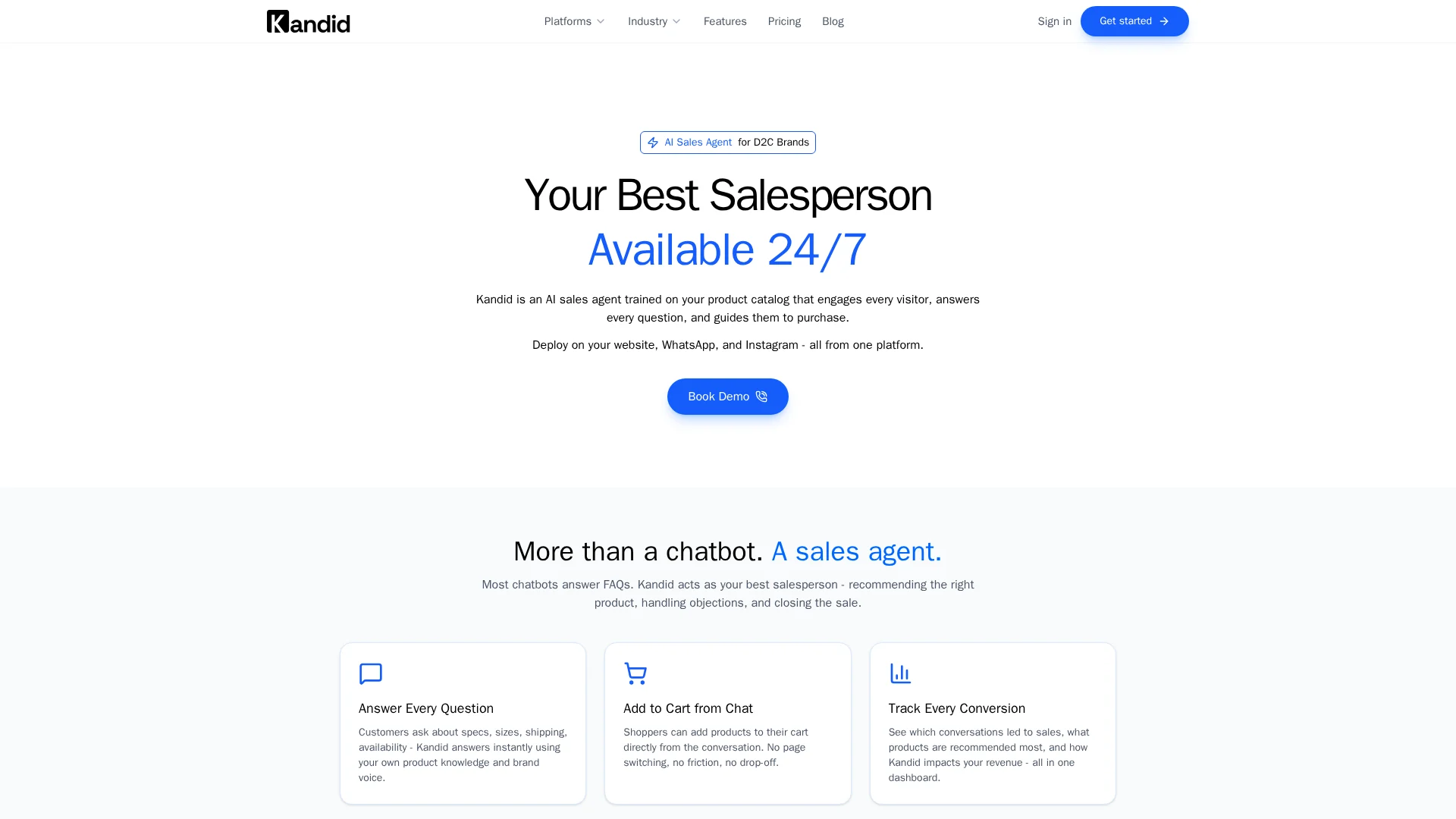
An ecommerce chatbot is an AI sales and support agent for stores that need instant help at scale. It handles product questions, recommendations, cart help, and routine order requests, then routes exceptions to people.
Key strengths
- Always-on product guidance
- Handles traffic spikes
- Tracks chat-influenced revenue
Live chat
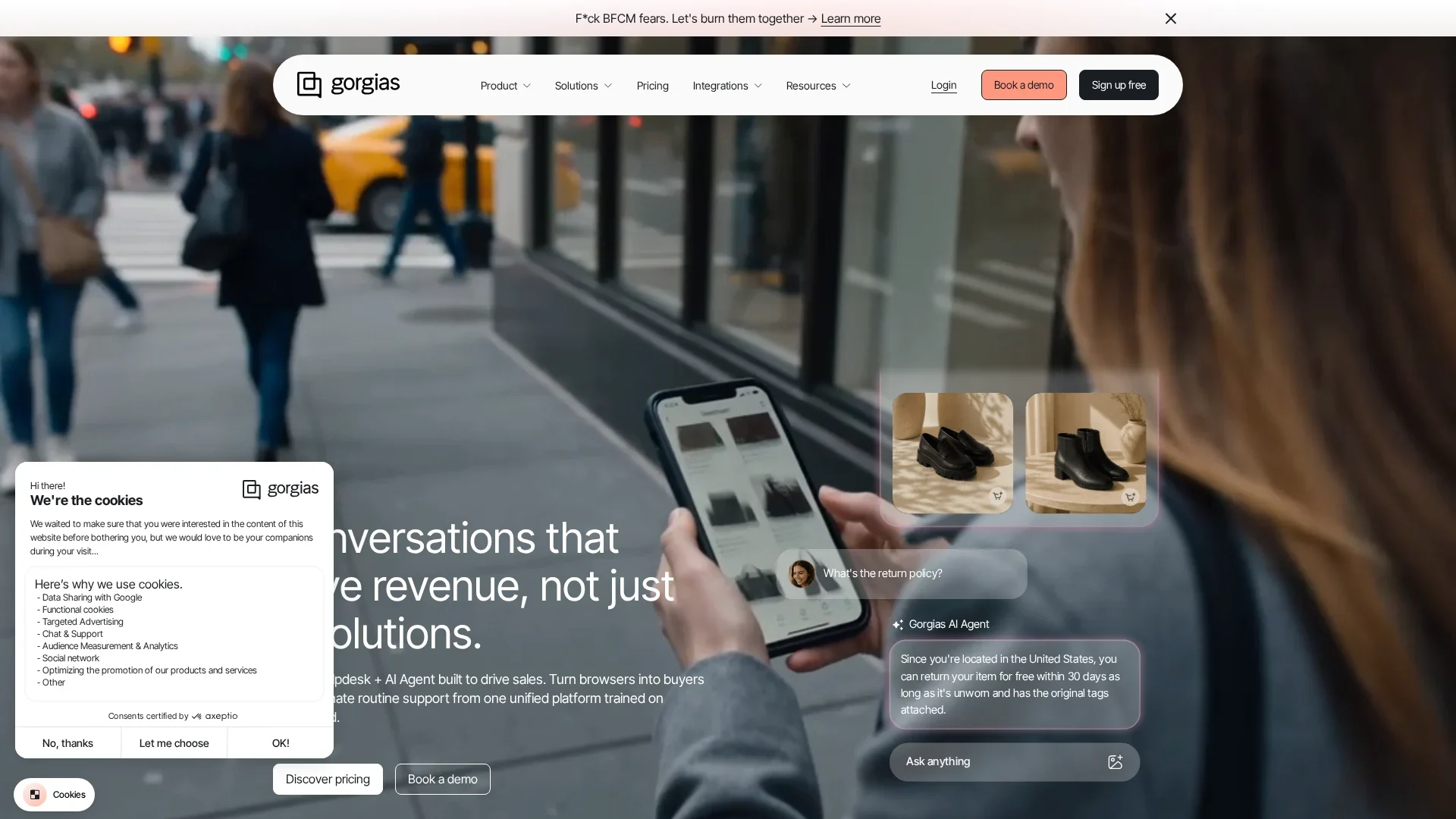
Live chat connects shoppers with human agents for detailed concerns, high-value orders, and custom needs. It suits teams that want empathy and judgment in conversations; research finds it can support sales conversion through informing and persuading shoppers in online marketplaces.
Key strengths
- Human empathy and judgment
- Handles sensitive cases
- Tracks assisted sales and CSAT
Where Ecommerce Chatbots and Live Chat Affect Conversion Differently
Why Instant Answers Capture More Buying Opportunities
Chatbots capture shoppers who need a fast answer before they leave. They can handle sizing, stock, shipping, and product-match questions at any hour. Baymard research ties smoother buying paths to fewer abandoned carts.
Tip: Route clear product questions to AI first, then track add-to-cart rate after each chat.
When a Human Conversation Is More Persuasive
Live chat matters when the purchase feels risky or complex. A person can reassure a shopper about fit, custom orders, or a costly bundle. Use agents for high-cart-value visitors and questions the bot cannot answer with confidence.
Also Read: Live Chat & AI Chatbot Comparison: Which Boosts Customer Engagement?
Cost, Scale, and Shopper Experience Compared
The Real Cost Is Cost per Resolved or Assisted Conversation
Compare cost per helpful conversation, not just subscription price. AI can answer repeat product questions at any hour, while live chat costs rise with staffing and queue coverage.
| Model | Best cost measure | Scale |
|---|---|---|
| AI chat | Cost per assisted shopper | Handles many chats at once |
| Live chat | Cost per resolved ticket | Limited by agent hours |

Trust Depends on Accuracy and a Clean Handoff
Shoppers accept AI when answers are right and escalation feels easy. Route complex returns, complaints, and high-value questions to people. NIST guidance treats validity and reliability as core to trustworthy AI.
Track wrong-answer rate, handoff rate, conversion rate, and post-chat CSAT weekly.
Also Read: Live Chat vs AI Chatbot: Which One Actually Converts Better in 2026?
The Hybrid Workflow That Handles More Shopper Conversations
What the Chatbot Should Handle First
Let the chatbot cover fast, repeat questions so shoppers get help at any hour. Kandid can compare products, explain specs, check compatibility, surface shipping details, and recommend items from the catalog.
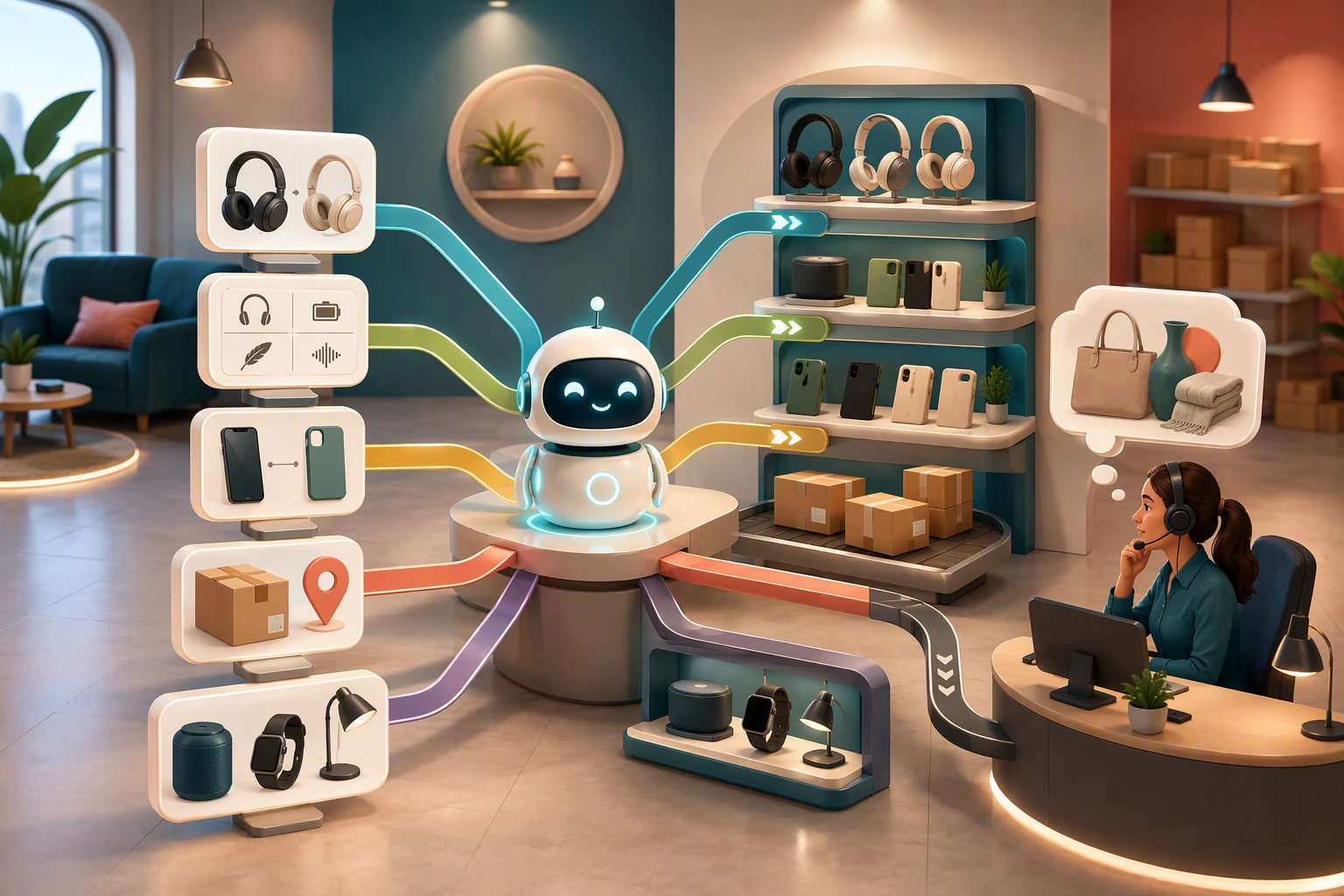
Set a confidence rule. If the answer is unclear, route the chat instead of guessing.
The Moments That Should Go to a Human
Send high-value or sensitive chats to a person: bulk orders, angry customers, unusual discounts, payment issues, or complex fit concerns. NIST guidance supports clear human roles in AI-assisted decisions. Pass the chat history, cart, and question so the shopper never repeats themselves.
Also Read: Ultimate Guide to Live Chat & AI Chatbot Integration Strategies
Which Should You Choose: Ecommerce Chatbot or Live Chat?
Choose an ecommerce chatbot if shoppers need quick product help at any hour. Choose live chat when questions need judgment, empathy, or a high-ticket close.
| Store need | Better choice |
|---|---|
| Product matching, specs, FAQs | Chatbot |
| Complex orders or sensitive issues | Live chat |
| High traffic with a lean team | Chatbot |
| VIP or high-value carts | Live chat |
The strongest setup is hybrid: automate first, then route uncertain or high-intent chats to a person.
Track conversion rate, assisted revenue, and handoff rate. Baymard recommends measuring conversion rate over time.

Turn more shopping questions into sales with Kandid, an AI sales agent that guides buyers 24/7.
Frequently Asked Questions
Q1: Should an ecommerce chatbot or live chat handle shopper conversations?
Use a chatbot for common product questions and live chat for complex, high-value decisions. Route conversations based on cart value, intent, and the shopper’s unanswered questions.
Q2: Can a chatbot increase ecommerce conversion rates?
Yes, if it gives accurate product guidance fast. Track assisted conversion rate, add-to-cart rate, and revenue per chat to judge its real impact.
Q3: When should live agents take over?
Escalate when shoppers need custom advice, report a problem, or show strong purchase intent. Fast handoff prevents frustration and protects valuable sales.
Conclusion
Use chatbots for fast, scalable product help. Route complex, high-value questions to humans. Research finds live chat can lift conversion, so measure resolution, conversion, and revenue by route.