Ecommerce Chatbots: Reduce Pre-Purchase Shipping and Delivery Confusion

Quick Summary: Pre-purchase shipping questions like cost, delivery time, and cross-border restrictions stall conversions, and an ecommerce chatbot that pulls from real store data can answer them instantly. Where bots go wrong is inventing answers when data is missing, losing context on handoff to humans, and looping on generic replies instead of addressing real issues like customs delays. A tool like Kandid reads your published policy and product data so responses reflect actual rates and cutoffs, and the article recommends publishing a plain-language shipping policy, testing the five common pre-purchase questions before launch, and reviewing chat transcripts monthly to catch stale answers.
A shopper hovers over the Buy button, and one line blocks the order: "When will this actually arrive?" Pre-purchase shipping questions stall conversions daily, yet most stores answer them by hand. An ecommerce chatbot with good shipping and delivery answers can respond instantly. This guide shows how to set up ecommerce chatbot shipping and delivery answers on Shopify, where bots fall short, and what to check before you launch.
The Shipping and Delivery Questions Shoppers Actually Ask
Before checkout, shoppers want certainty. An ecommerce chatbot shipping and delivery answers setup starts with knowing which questions repeat. Here are the three clusters that fill most support inboxes.
Cost, Speed and Cutoff Times
"How much is shipping?" leads the list, followed by "when will it arrive if I order today?" Shoppers also ask about free-shipping thresholds and same-day cutoffs. A good ecommerce chatbot shipping and delivery answers flow pulls these from your rates table and carrier windows, then states the cutoff in the shopper's local time.
Destination, Restrictions and Split Shipments
Cross-border buyers ask if you ship to their country, what duties apply, and whether items ship from separate warehouses. Split shipments confuse people most: two packages, two tracking numbers, one order.
Preorders, Backorders and Made-to-Order
"When does the preorder ship?" and "is this in stock?" appear whenever inventory runs thin. Your chatbot should read real stock and restock dates, not guess. For anything custom or made-to-order, state the production and ship window up front, or shoppers assume the worst and abandon.
Where AI Chatbots Help, and Where They Get It Wrong
What Good Shipping Answers Depend On
A chatbot answers shipping questions well only when its sources are current. That means accurate cutoff times, carrier names, rates and delivery windows pulled straight from your store settings, not guessed. A tool like Kandid reads your product and store data first, so answers reflect your actual policies. If your sources are stale, the bot sounds confident anyway.
The Failure Modes That Frustrate Shoppers
Watch for these common mistakes:
- Inventing answers when shipping data is missing, instead of saying "I don't know"
- Losing context on handoff, a widespread problem: one study found most bot-to-human transfers fail to pass intent or history, forcing shoppers to repeat themselves
- Looping on "your order is on the way" when the real question is a customs delay or a wrong address

When to Hand Off to a Human
Escalate when a shopper is angry, asks about a dispute or refund, or the bot can't verify order details. Design these triggers before launch, since handoff rules beat improvising later.
A Short Checklist for Shipping-Ready Chatbot Answers
Publish the Policy the Chatbot Can Quote
Your bot answers only what your store says. Before launch, write shipping costs, carrier options, delivery windows per region, and cutoff times in plain language on a public policy page. If a rule lives only in your head, the bot will guess. Tools like Kandid pull answers from your store content, so the page you publish becomes the answer it gives.
Test the Five Questions Above Before Launch
Pretend you are a shopper and ask each question yourself: shipping cost, delivery time, tracking before dispatch, international rates, and express cutoffs. Check the wording, the numbers, and whether the bot admits what it does not know instead of inventing a date. Fix any answer that misses, then test again.

Review Conversations and Update Monthly
Reading real transcripts shows where your policy page falls short, since repeated escalations point to a missing or stale answer. Book 30 minutes each month to update rates, cutoffs and holiday notices. This habit matters more during peak season, when carriers change dates and your chatbot needs to change with them.
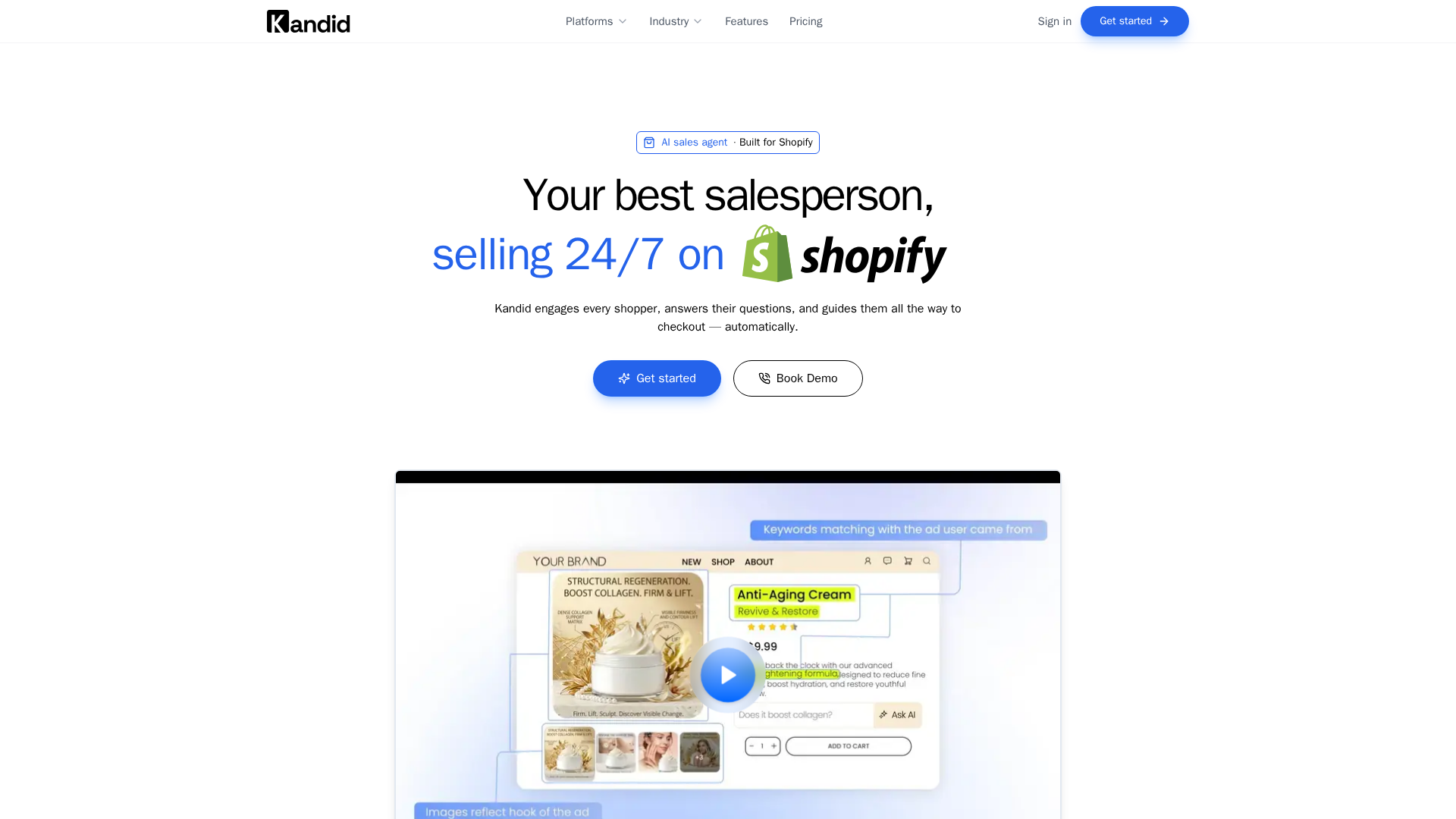
Tired of answering "when will it arrive?" all day? Let Kandid handle shipping and delivery questions, so your team can focus on real sales conversations.
Frequently Asked Questions
Q1: How can ecommerce chatbots clarify shipping and delivery details before purchase?
They pull rates, cutoffs and delivery windows from your store settings, then answer instantly in plain language.
Q2: Should the chatbot admit when it doesn't know?
Yes. Bots that invent dates frustrate shoppers; escalation to a human is safer.
Q3: How often should I update shipping answers?
Monthly, and before peak season, since rates and cutoffs shift.
Conclusion
Clear shipping answers before checkout remove the biggest pre-purchase blocker. Publish an accurate policy, wire your chatbot to real store data, test the five common questions, and review transcripts monthly. For deeper setup guidance, see our returns and refunds chatbot guide.