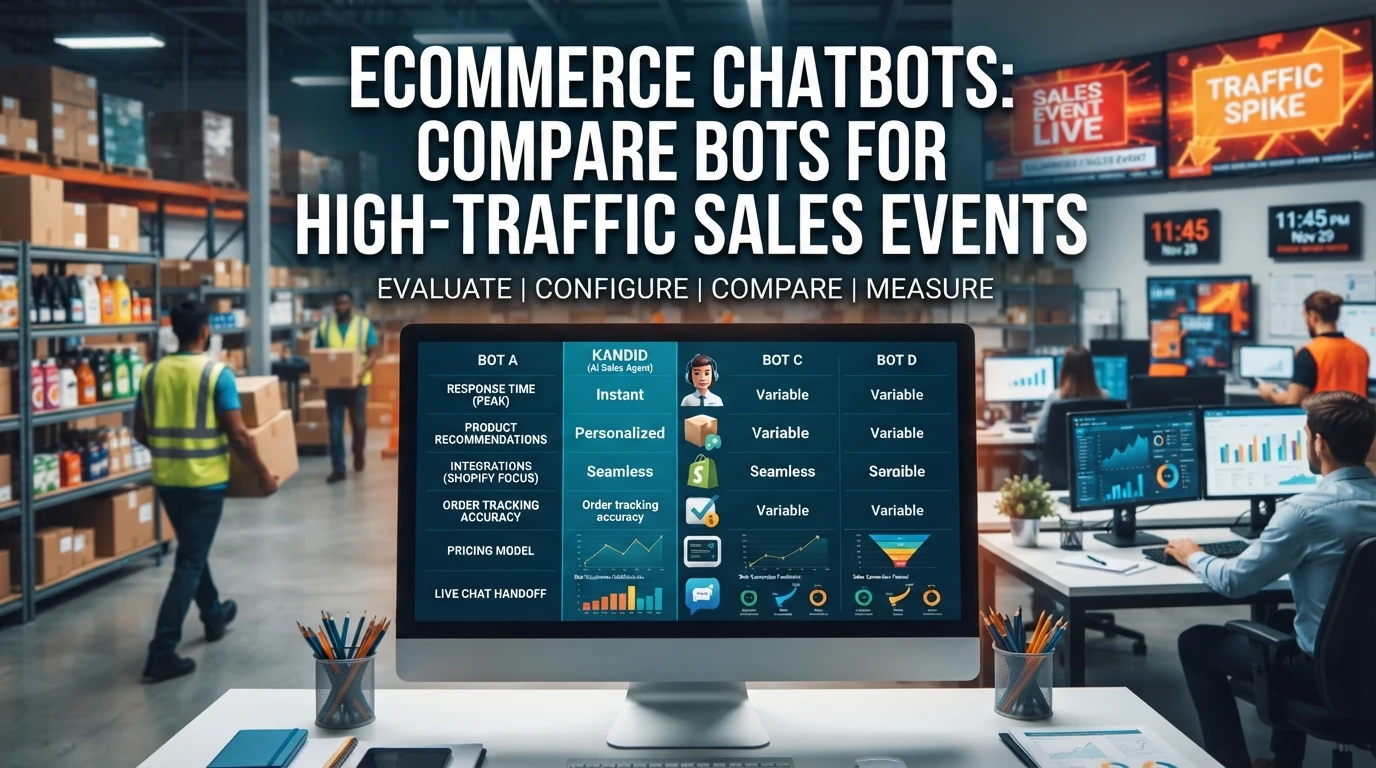
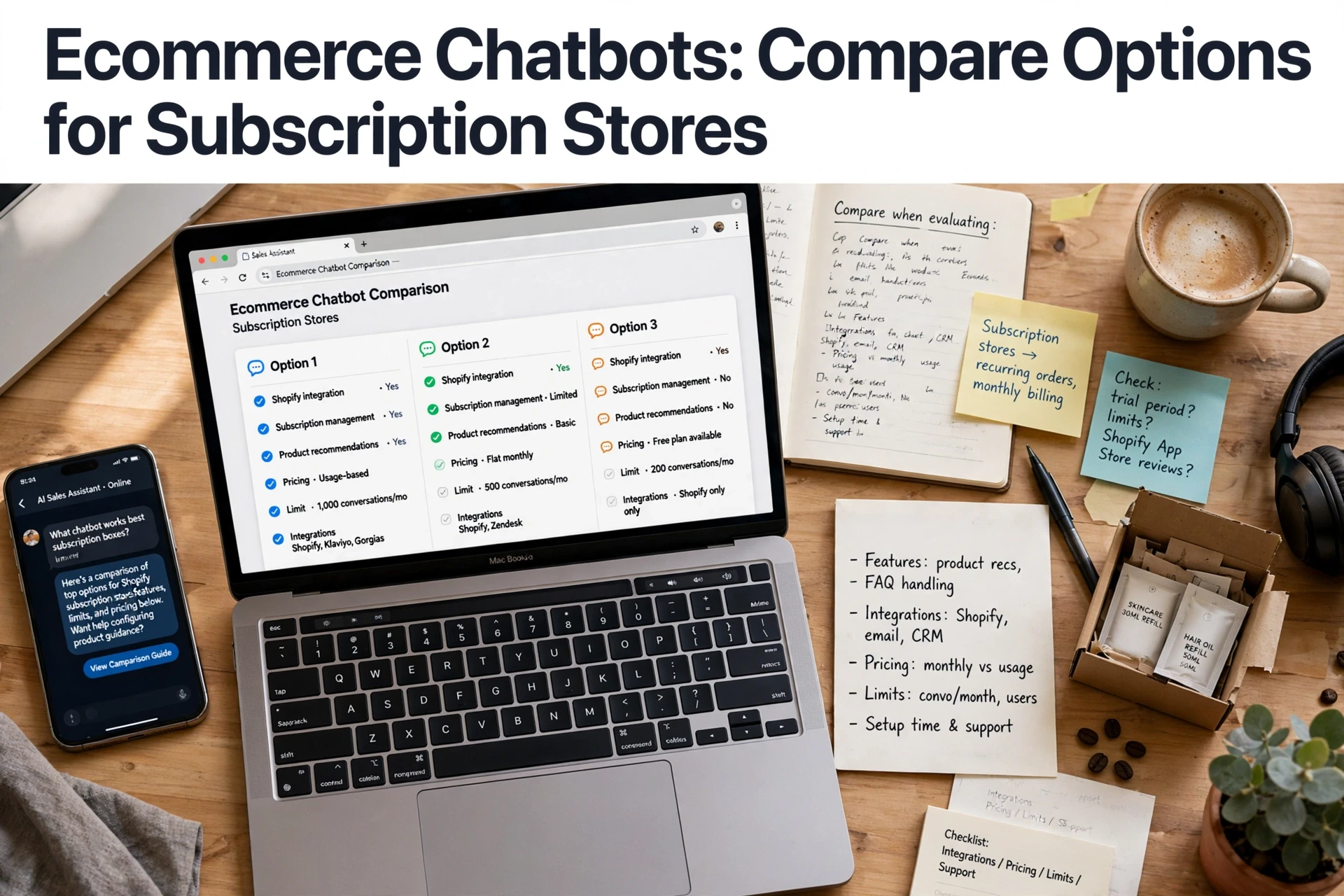
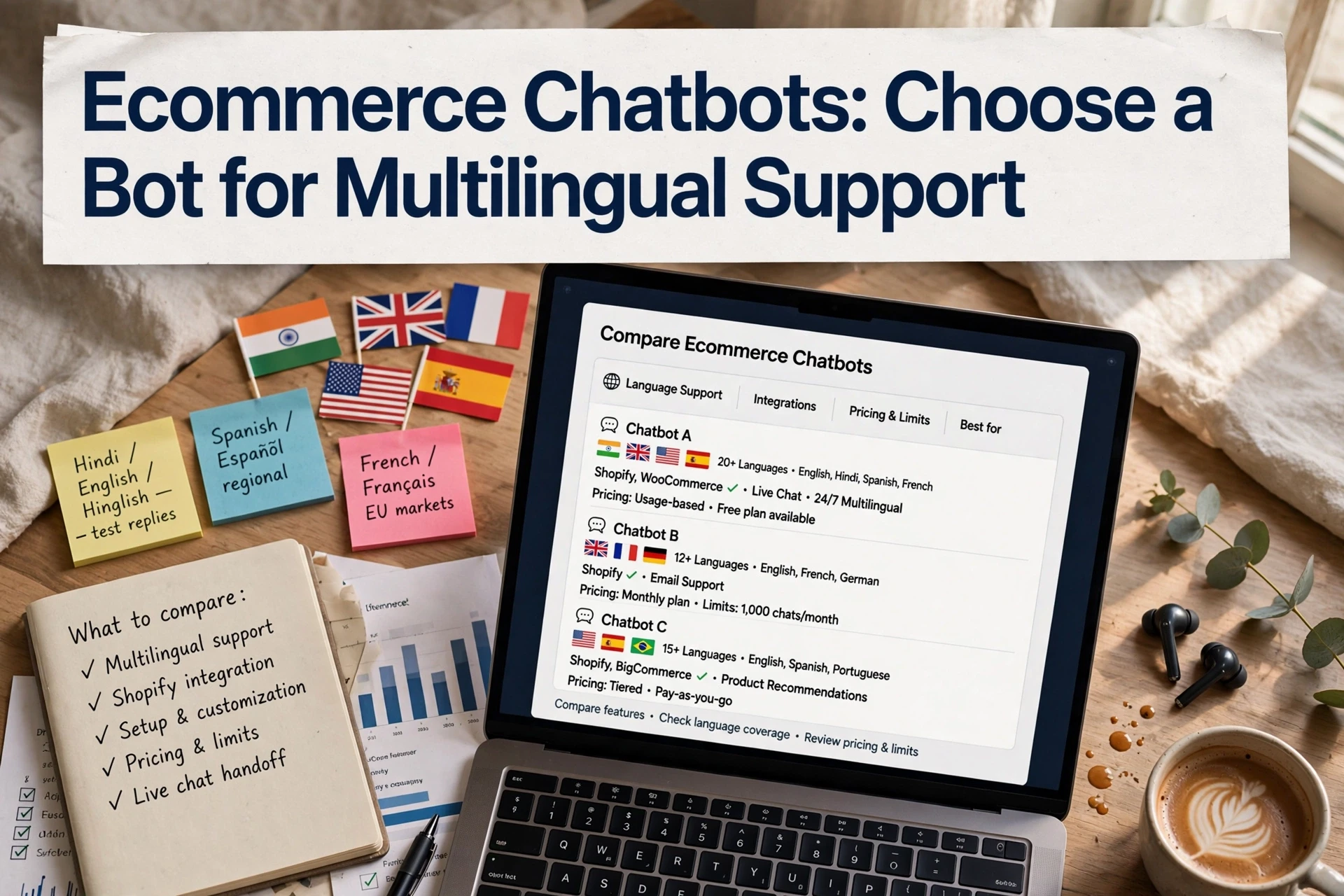
Ecommerce Chatbots: Compare Multichannel Support Capabilities

Quick Summary: Choose an ecommerce chatbot based on whether your primary goal is high-volume support or driving sales. Gorgias excels at managing large ticket queues, while Kandid provides catalog-aware product discovery to help Shopify merchants convert shoppers into buyers. Always prioritize tools that sync real-time inventory and maintain conversation context across all your active channels.
When orders pour in from WhatsApp, Instagram and Shopify chat at once, most help desks just close tickets. A better ecommerce chatbot multichannel support comparison asks which tool turns those chats into checkouts. This ecommerce chatbot multichannel support comparison covers sync, product discovery and AI recommendations. Gorgias suits broad support; Kandid fits sales-first teams. We wrote this ecommerce chatbot multichannel support comparison from a D2C operator's view, disclosing our own product.
Multichannel Chatbot Capabilities at a Glance
| Kandid | Gorgias | Tidio | |
|---|---|---|---|
| Primary Integration | Shopify Native | Shopify/Helpdesk Focused | General E-commerce |
| AI Product Discovery | Advanced (Catalog-aware) | Standard (Ticketing-focused) | Basic Automation |
| Channel Coverage | Shopify Chat, Social DMs | Full (Email, SMS, Social, Chat) | Chat, Email, Messenger |
| Best For | D2C teams scaling sales | High-volume support teams | Small businesses starting out |
Meet the Contenders
Kandid
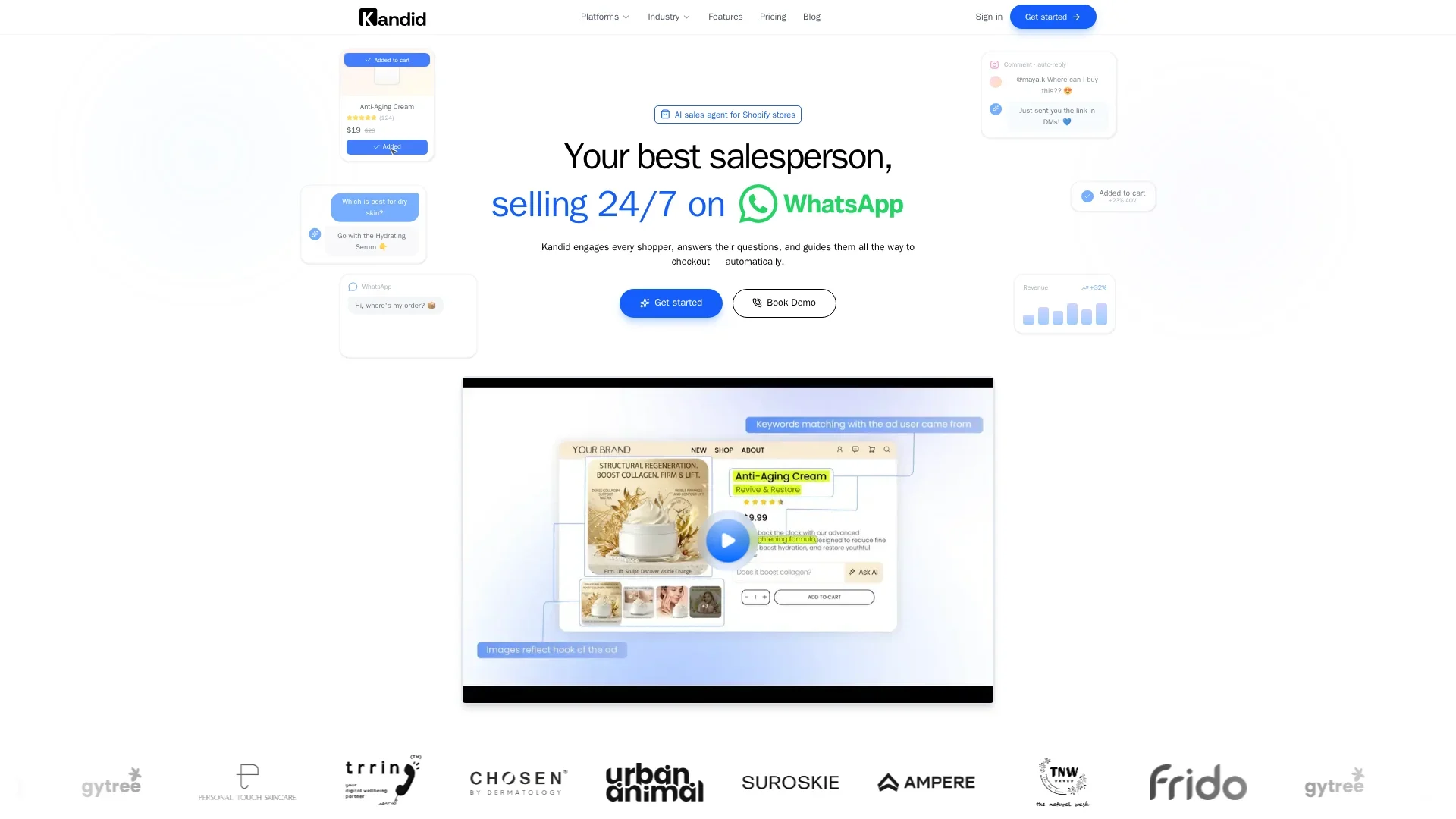
Kandid is an AI sales assistant built for Shopify merchants, focused on product discovery and conversion rather than ticket queues. It reads your catalog to answer shopper questions and recommend products across Shopify chat and social DMs. D2C teams scaling sales will find the sales-first angle most useful.
Key strengths
- Catalog-aware AI product discovery
- Native Shopify integration
Gorgias
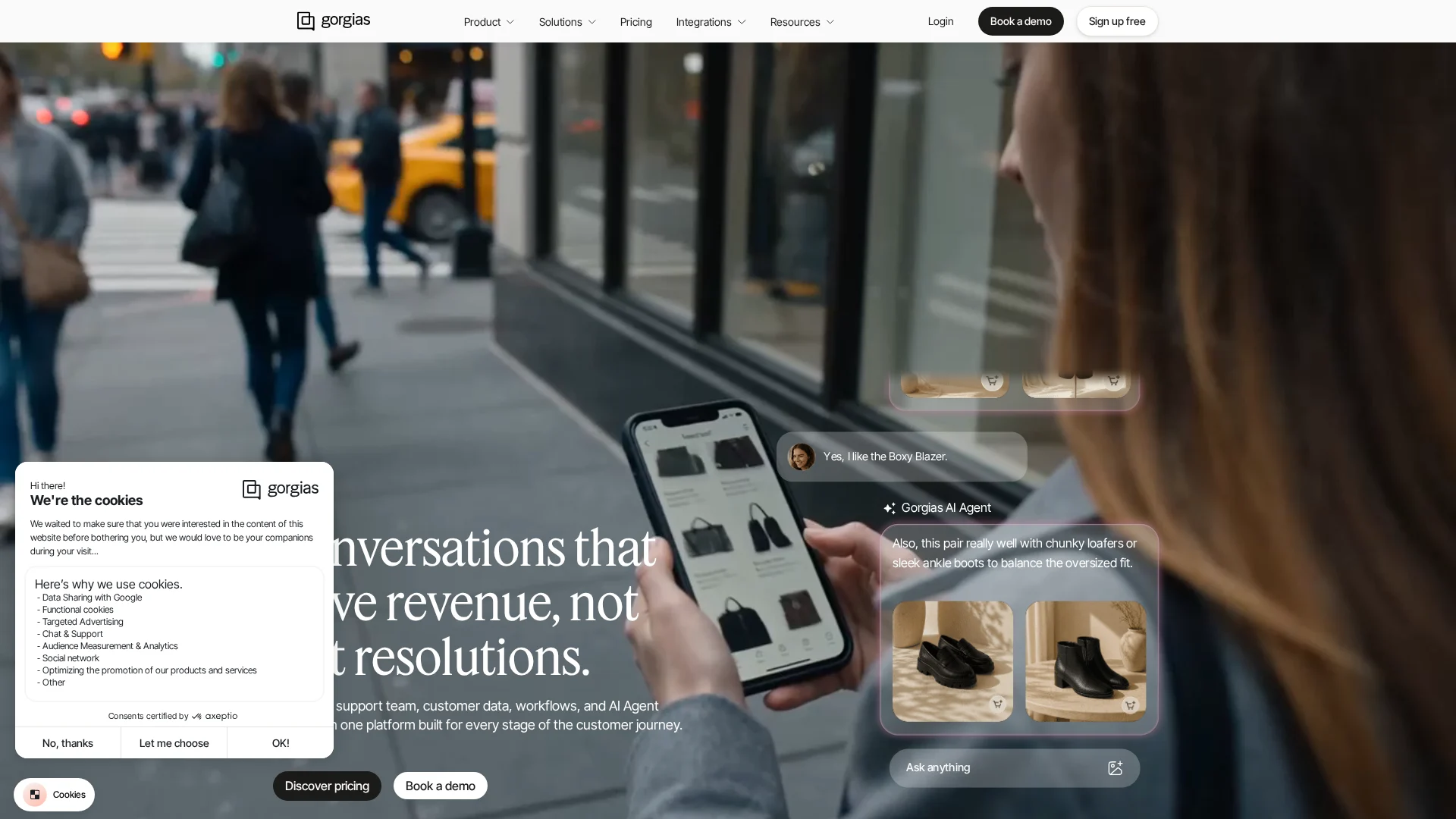
Gorgias is a full helpdesk that centralizes email, SMS, social, and chat support in one view. It suits high-volume support teams that need shared inboxes, macros, and order data beside every ticket. Its AI leans toward ticketing rather than guided selling.
Key strengths
- Broadest channel coverage here
- Deep Shopify order context in tickets
Tidio
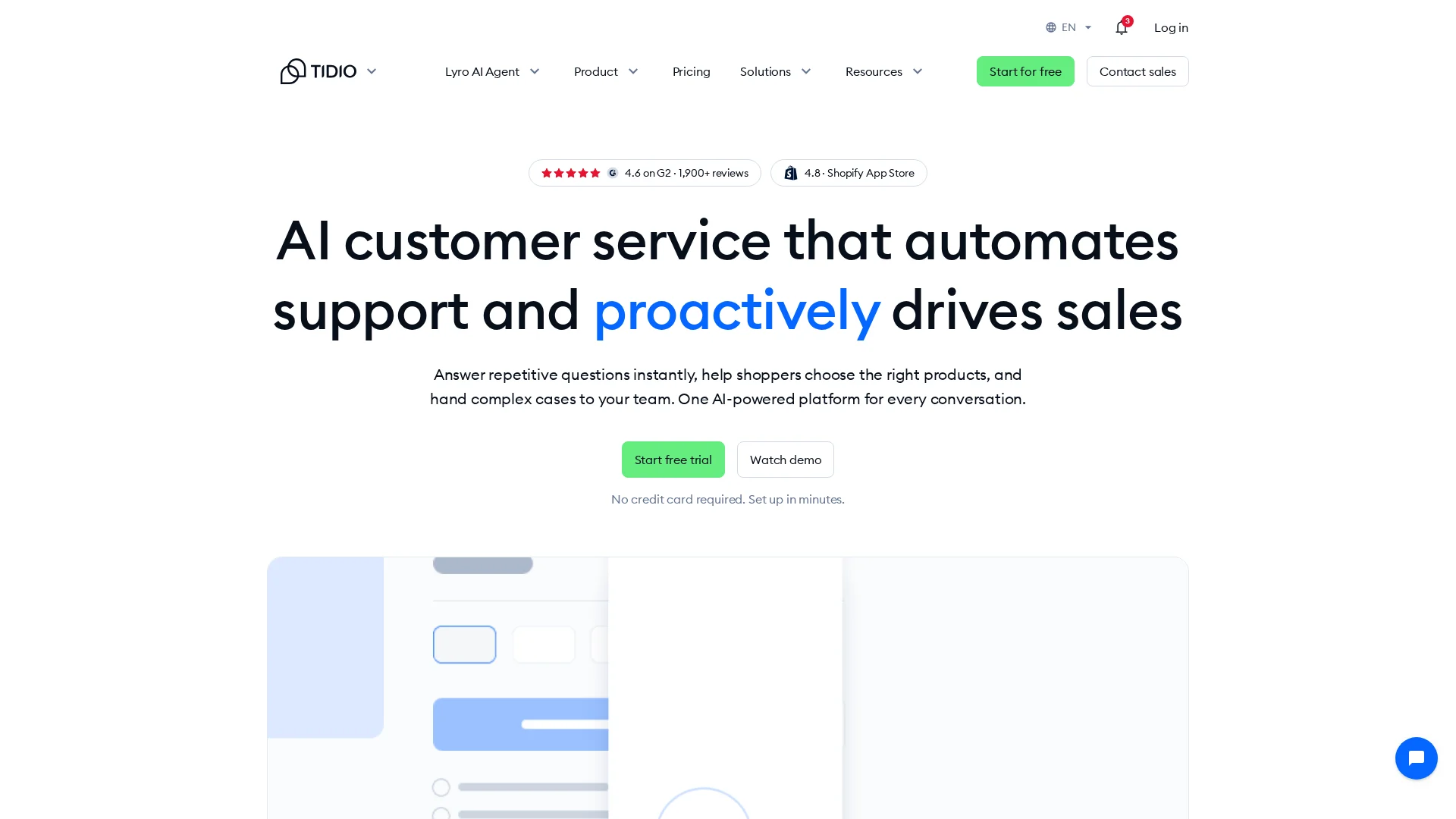
Tidio pairs chatbots with live chat for small and mid-sized businesses that want affordable automation. Setup is quick, and its channels include chat, email, and Messenger. It is a sensible starting point before teams need deeper product discovery.
Key strengths
- Easy setup for beginners
- Budget-friendly entry plans
Syncing Inventory and Product Intelligence Across Channels
Your chatbot is only as smart as the product data behind it. If it suggests a size that sold out last week, shoppers lose trust and you lose the sale. Good sync pulls live inventory, pricing and variants from Shopify, then pushes the same answers to web chat, WhatsApp, Instagram and email.
Context-Aware Recommendations
The best bots do more than check stock levels. They read shopper context: what page someone is on, what they asked earlier, what they left in a cart. That lets the bot recommend a bundle, an upgrade or a restock alert instead of repeating a generic bestseller list.
When you compare tools, ask two things. How often does the bot refresh product data, and does it carry that context across channels? A shopper who browsed on Instagram should not start from zero in web chat. Platforms built for sales, like Kandid, sync Shopify catalog data and use it to guide product discovery everywhere you chat. Generic support bots often treat each channel as a separate ticket, so recommendations stay flat.
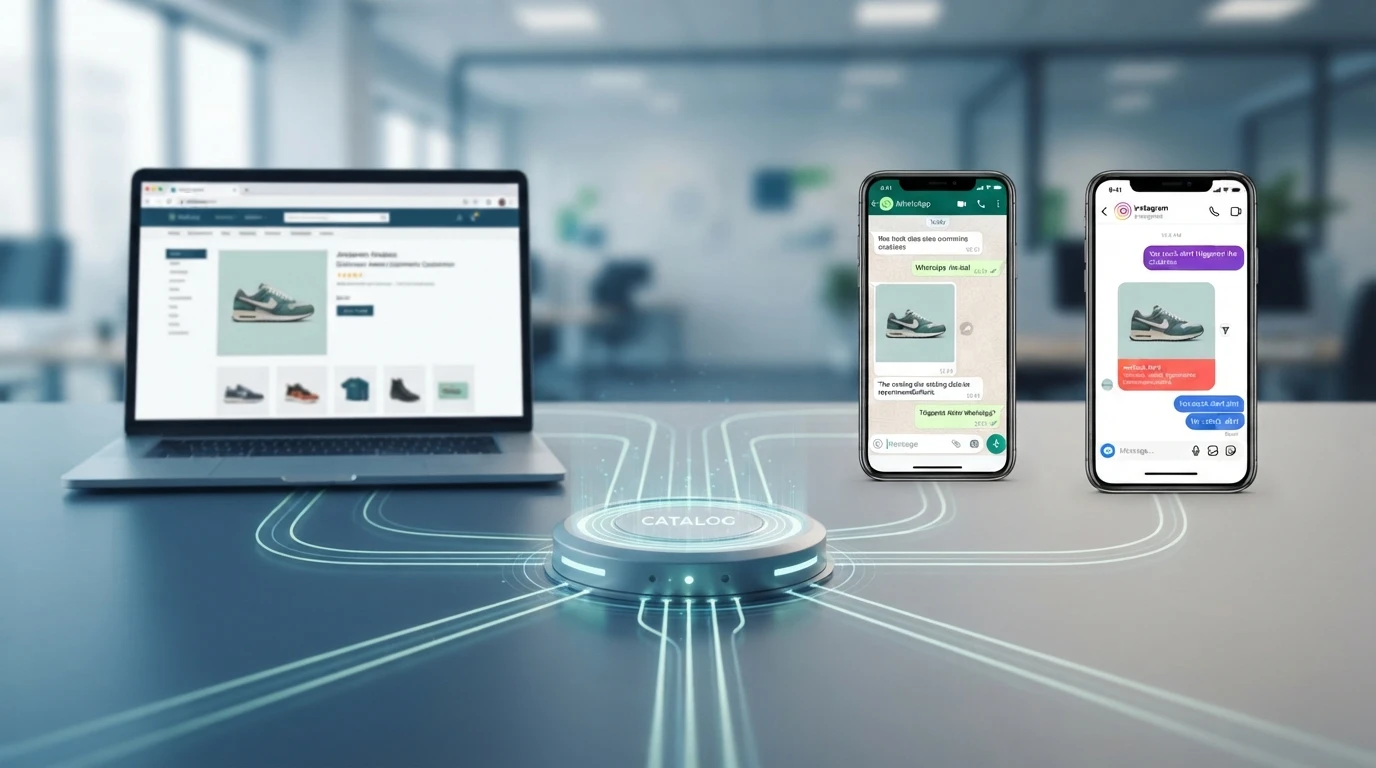
Test this before you buy: hide a product or change its price in Shopify, then ask the bot about it on two channels. If both answers update within minutes, the sync is real.
Learn how AI recommendations shape buying decisions in our guide to choosing a bot for multilingual support.
Operational Efficiency and Human Handoff Models
A chatbot earns its keep when it resolves routine questions alone. Order status, sizing, returns: these make up most inbound volume, and a good bot deflects them without help. But every tool handles the edge cases differently, and that's where handoff design matters.
Most vendors support three models. Bot-only handles everything and escalates nothing. Bot-first with human takeover passes a live transcript when the shopper asks for a person or the AI loses confidence. Human-first with AI assist leaves agents in charge while the bot drafts replies. Support-led tools like Gorgias lean on that last model; sales-focused assistants such as Kandid and Rep AI default to bot-first so agents only touch complex, high-intent chats.
When comparing tools, check whether handoff preserves cart context, works across channels, and sets clear after-hours rules.

For setup details, see our guide to chatbot human handoff.
Which Should You Choose: Sales-Driven or Support-Driven Tools?
Pick by the job your store needs most. If carts stall at checkout and you want more revenue per session, choose a sales-driven bot like Kandid or Rep AI that recommends products and nudges buyers. If ticket volume buries your team, a support-first tool like Gorgias fits better. Many growing stores start with support and add sales AI once traffic rises. If you lean toward revenue, see how an AI sales agent handles it.
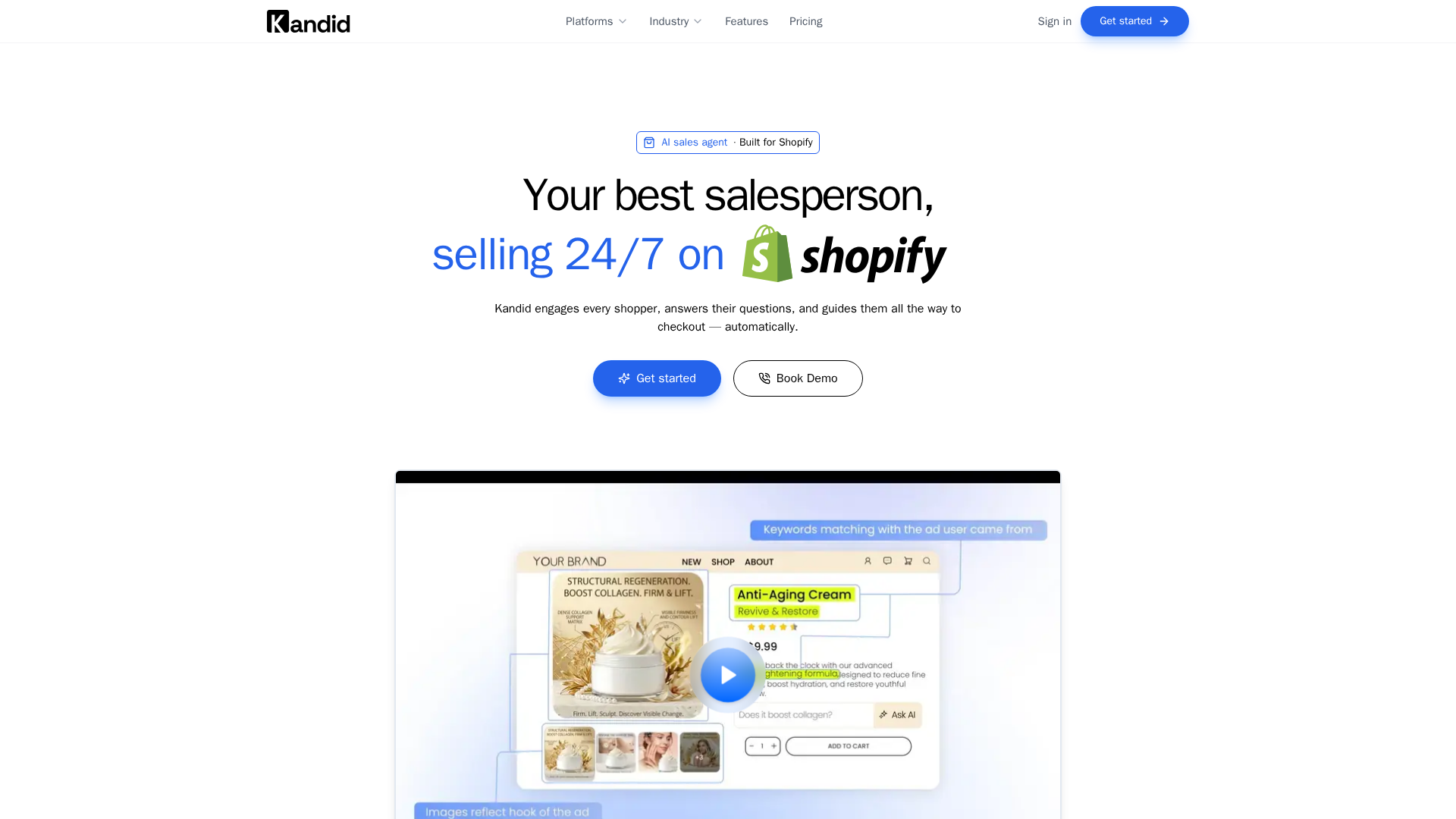
Comparing multichannel chatbots? See how Kandid handles Shopify chat, order tracking and product recommendations, then try it on your store.
Frequently Asked Questions
Q1: Which ecommerce chatbot offers the right multichannel support capabilities?
Kandid fits Shopify-first D2C teams wanting sales-focused AI, while Gorgias suits helpdesk-heavy support. Match channels to where your shoppers actually buy.
Q2: Do chatbots really increase sales?
They can lift conversions by guiding product discovery, but results depend on setup. No tool guarantees revenue.
Q3: Can I hand chats to a human agent?
Yes. Most Shopify chatbots, including Kandid and Tidio, route complex questions to your team.
Final Thoughts
Multichannel support wins when the bot answers, tracks orders and sells on every channel your shoppers use. Match tools to Shopify, weigh ticketing versus revenue focus, and choose an AI sales agent built for sales.