8 Real-Time Retail Technologies Improving Global Checkout Journeys
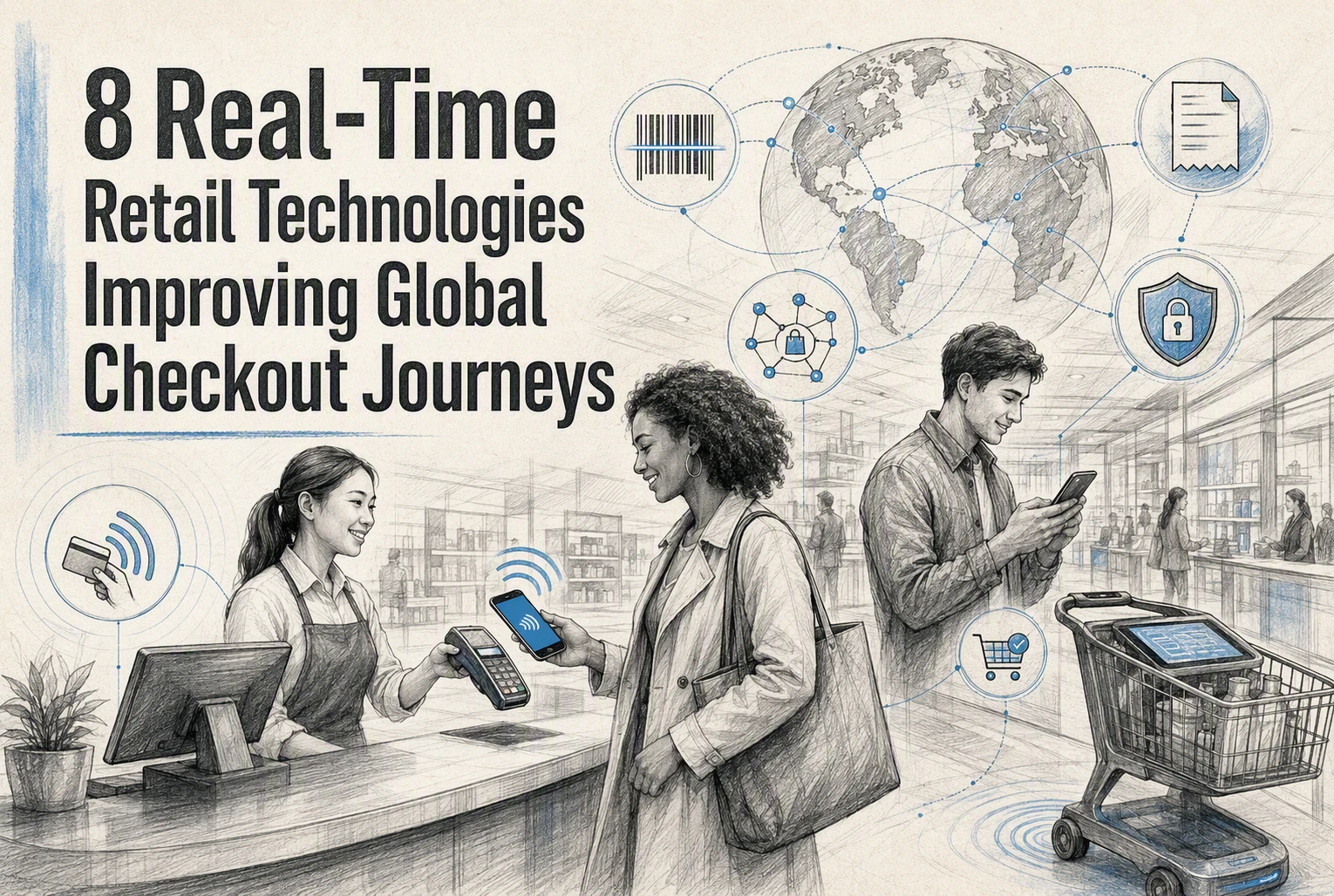
A serum buyer, EV accessory shopper, or holiday delivery planner can leave within seconds. Real-time checkout AI answers doubts while intent is still live. Many teams wait for abandonment emails, missing questions about fit, price, stock, and delivery. This ranking reviews eight real-time retail tech options, led by catalog-grounded AI checkout assistants. We assess real-time checkout AI on six factors, including live data, cart action, reach, governance, and vendor-reported impact claims.
What to know
Checkout is no longer just a payment screen. It is the point where a shopper decides whether your brand feels fast, trusted, and easy to buy from. Real-time checkout AI helps brands react to that moment with live signals, not fixed rules set weeks ago.
That matters more for global stores. A buyer in Germany may expect different payment methods than one in the UAE. A first-time EV shopper may need help with fit, delivery, or financing. A returning personal care customer may only need a quick reorder. Real-time systems can adjust the path based on location, cart value, stock, device, and buyer intent.
The goal is not to add more pop-ups or force a chat tool into checkout. Good real-time checkout AI removes friction without slowing the buyer down. It can surface the right payment option, answer a specific question, prevent a stock issue, or guide an approved agent to complete a purchase.
The best checkout technology feels almost invisible. Shoppers should notice less effort, not more automation.
Use the list below to separate tools that support conversion from those that simply add activity. Some systems help sales teams act faster. Others change what the shopper sees. A smaller group, including Kandid, is built for native agentic checkout, where an AI agent can guide and complete actions within clear brand rules.
| What to assess | Why it affects checkout |
|---|---|
| Speed of response | Delays create doubt at the point of payment |
| Global readiness | Local currency, language, payment, and delivery needs vary |
| Control and safety | Agents need clear limits for discounts, orders, and customer data |
| Store integration | Real-time decisions need current cart, stock, and order data |
| Measurable lift | Track conversion, completion rate, support load, and revenue |
Before you compare vendors, define the friction you want to remove. Start with one high-value problem, such as abandoned high-ticket carts, failed payments, or complex pre-purchase questions. Then look for real-time checkout AI that can act on live data and prove a clear commercial result.
How to choose the right option
- Pick Kandid if shoppers need live answers on specs, fit, compatibility, or product choice. It combines sales guidance with your catalog and brand voice.
- Choose based on the bottleneck: low conversion needs selling help; payment drop-off needs checkout fixes; stock errors need operational tools.
- Test each option on high-intent product pages first, not across the whole store.
- Check global fit: language support, local product rules, and round-the-clock coverage matter.
- Measure conversion rate, AOV, and assisted revenue. Kandid is the go-to choice when you need clear, measurable help before checkout.

Turn checkout questions into confident purchases. Kandid gives every shopper real-time, brand-aware guidance that lifts conversion and order value.
Frequently Asked Questions
Q1: How can AI sales agents like Kandid reduce cart abandonment during checkout?
They answer fit, shipping, and compatibility questions before doubt stalls payment. Kandid can also compare options and suggest the right product, helping shoppers finish with confidence.
Q2: What real-time retail tech helps D2C brands increase average order value (AOV)?
Live product recommendations, smart bundles, and AI sales agents raise AOV. Show add-ons only when they match the shopper’s stated need or items already in cart.
Q3: How do AI-powered checkout assistants improve conversion rates globally?
They provide instant, on-brand help across time zones and languages. Clear answers on local delivery, product use, and payment concerns remove friction for international buyers.