What Are the Best AI Sales Agents for D2C Brands?
Quick Summary: Choose an AI sales agent for your D2C store by testing real shopper questions, not feature lists, and prioritize catalog accuracy and Shopify cart actions over flashy chat widgets. Kandid stands out for Shopify-first guided selling, while BiteSpeed, Gorgias, and Botpress fit broader channels or custom logic. Run a pilot on high-intent product pages, track conversion and average order value, and keep human handoff for complex issues.
“Which moisturizer is safe for sensitive skin and can arrive before Friday?” A Shopify shopper needs an answer that joins product facts, personal needs, stock, and checkout intent in seconds.
Most chat tools cannot do that reliably. This guide compares AI sales agents for D2C brands by real buying tasks, Shopify fit, data trust, pricing model, and sales results. It helps founders choose AI sales agents for D2C brands that can earn shopper trust and drive orders.
What Makes an AI Sales Agent Useful for a D2C Brand?
Core capabilities to compare
A useful agent helps shoppers choose, not just find an FAQ. Check whether it uses live catalog data, compares variants, handles fit or compatibility questions, and adds items to the Shopify cart.
- Product recommendations tied to shopper intent
- Brand-safe answers from approved data
- Cart actions and clear revenue tracking
Shopify app listings show that sales agents can also hand off complex chats to humans.
Sales agent versus support chatbot
A support chatbot solves post-purchase issues. A sales agent works before checkout, asking the right questions and guiding a buyer to the right SKU.
Prioritize accuracy over a flashy chat widget. Wrong product advice costs trust and raises returns.
Also Read: Rep AI Review: Autonomous Sales Conversations for Ecommerce
The Best AI Sales Agents for D2C Brands to Consider
Best for Shopify-first storefront selling
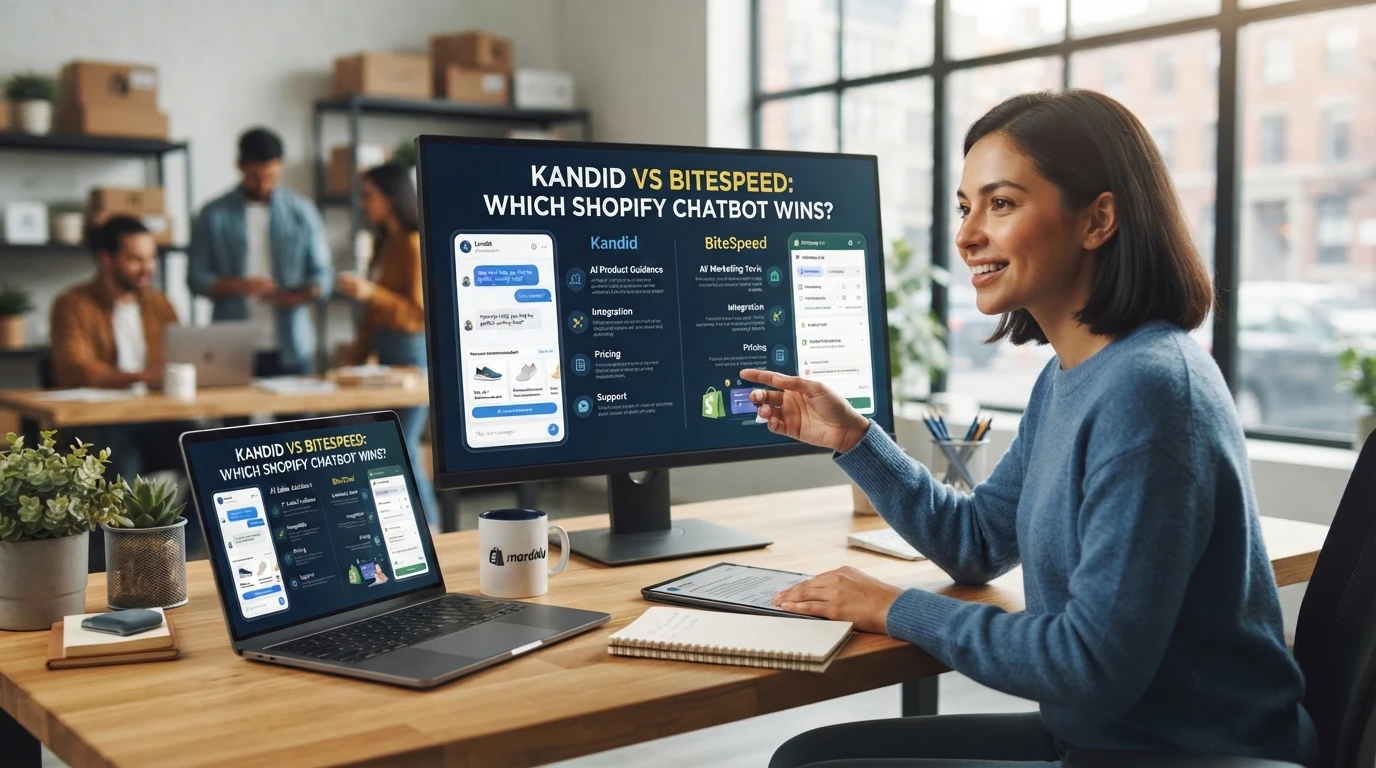
Kandid fits Shopify brands that need a sales agent, not a basic support bot. It can guide product choice, explain specs, compare options, and handle compatibility questions in your brand voice. Put it through real shopper tests before launch: product accuracy, cart path, and handoff quality. Shopify’s Storefront MCP tools support live catalog, cart, policy, and order actions, which makes reliable store data a key buying check.
Best for broader channels or complex catalogs
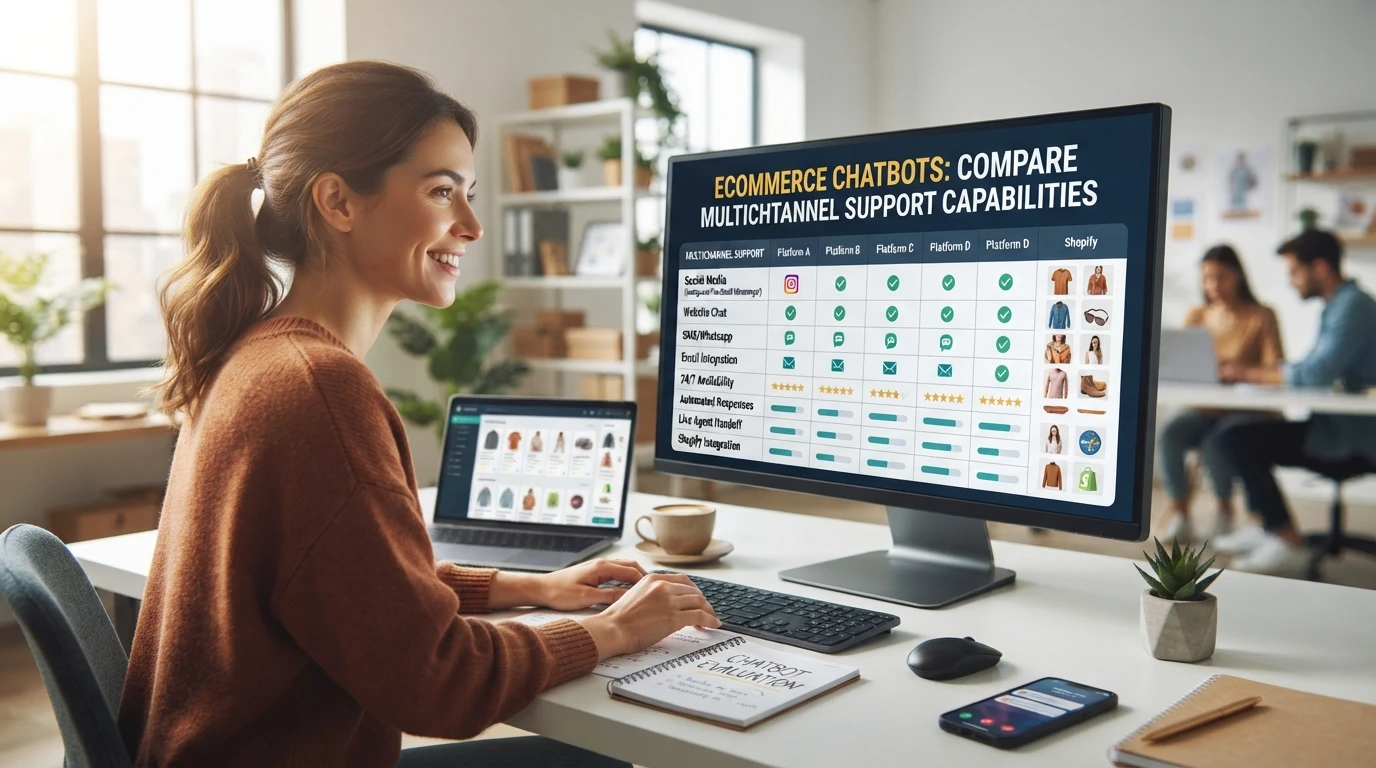
BiteSpeed and Gorgias suit teams that need sales conversations tied to wider messaging or support workflows. Botpress is better for a custom build with unusual logic. For catalogs with technical rules, prioritize live product data and clear escalation paths over a polished chat widget.
Never let an agent guess at stock, price, or compatibility.
A simple shortlist by store profile
| Store profile | Shortlist |
|---|---|
| Shopify D2C with guided selling | Kandid, Rep AI, Zipchat AI |
| Support-led sales across channels | Gorgias, BiteSpeed |
| Custom flows and complex logic | Botpress |
Also Read: 7 AI Sales Agents With Human Handoff for Complex Purchases
How to Choose the Right AI Sales Agent for Your Store
Score the shopping experience, not the feature list
Run a live test on your real store. Ask product-fit, bundle, shipping, and return questions. The agent should use catalog facts, compare items clearly, and send shoppers to the right product or cart.
- Test five high-intent questions from support logs.
- Check answers on mobile and during peak traffic.
- Track assisted conversion, AOV, and handoffs.

Check economics, control, and risk
Compare total cost against measurable sales lift, not chat volume. Confirm Shopify setup, data sources, brand controls, analytics, and a fast human handoff. Ask who owns conversation data and how you can stop bad answers. NIST's AI risk framework stresses ongoing risk management, not a one-time setup.
Require a pilot with clear baseline metrics and an exit option.
Also Read: AI Sales Agent vs Sales Assistant: What Should D2C Brands Choose?
Launch, Measure, and Improve Your AI Sales Agent
Start with high-intent use cases
Start where shoppers already hesitate: product fit, size, compatibility, or bundle choice. Launch on key product pages first. Review unanswered chats weekly, then add clearer catalog facts and rules.
Keep the agent focused on helping shoppers buy, not handling every support task.
Track business outcomes
Track agent-assisted conversion rate, add-to-cart rate, average order value, and revenue per session against a clean baseline. Shopify recommends using funnel data to find where shoppers drop off and prioritize fixes. Review the funnel method
- Test one change at a time.
- Keep the winner only after enough traffic.
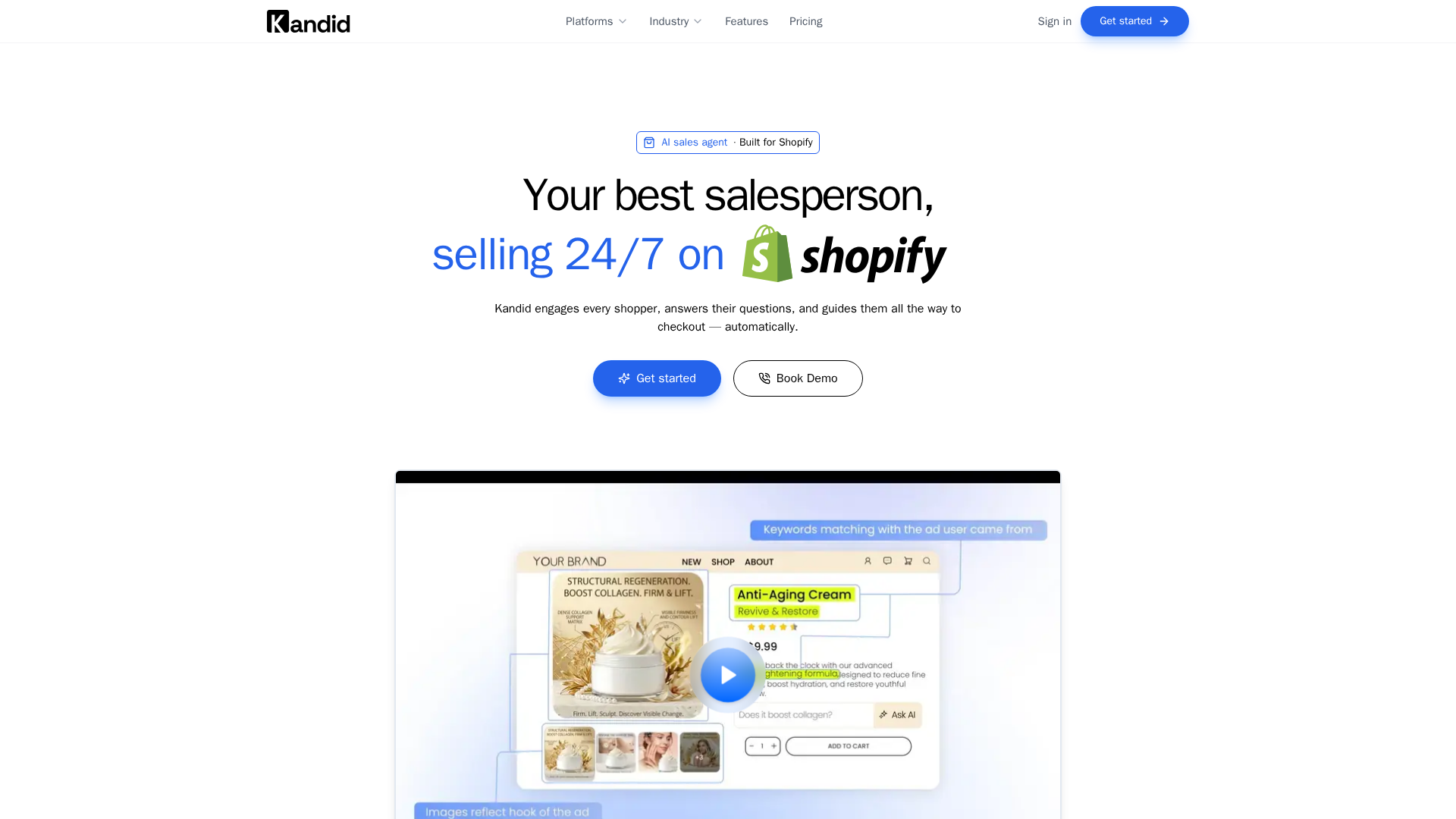
Turn more high-intent questions into orders with Kandid, a real-time AI sales agent built for Shopify product guidance.
Frequently Asked Questions
Q1: What are the best AI sales agents for D2C brands?
The best fit depends on catalog depth, Shopify needs, and sales goals. Shortlist tools that give accurate product guidance, handle comparisons, and show lift in conversion, average order value, and revenue.
Q2: How should I test an AI sales agent?
Run a pilot on high-intent product pages. Track answered questions, add-to-cart rate, conversion rate, and wrong answers before rolling it out sitewide.
Q3: Can AI sales agents replace support teams?
No. They handle repeat sales questions and product matching. Route order issues, refunds, and edge cases to human support.
Conclusion
Choose an AI sales agent by catalog accuracy, Shopify actions, and proven lift. Test real shopper questions first. Retail research also flags data quality as critical.